
Latest Insights
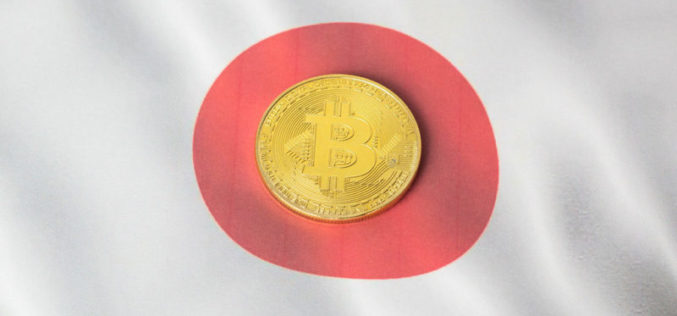
Japan’s cryptocurrency market: Set to bloom or wither?
The popularisation of cryptocurrency and blockchain technology continues to grow worldwide. In Japan, engagement with cryptocurrency has blossomed among investors and major firms. Though that trend is likely to continue over the longer term, it may be tempered by regulation and an aging population.
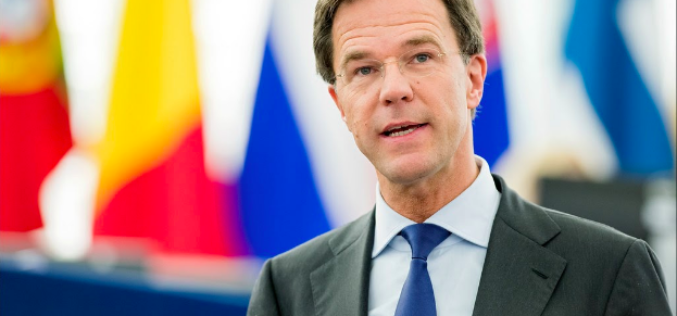
The Netherlands Struggles to Find Political Stability as Polarisation Increases
Amid the pandemic, Dutch politics have become increasingly tumultuous. Its parliamentary elections in March touted the largest number of parties on the Dutch ballots since the 1940s. Additionally, a public awareness of a myriad of socio-political issues and a relatively high voter turnout possibly reflect a more diverse political landscape. Yet, the fallout from last year’s childcare benefit scandal, and renewed discussions about political transparency have impaired ongoing formation talks.
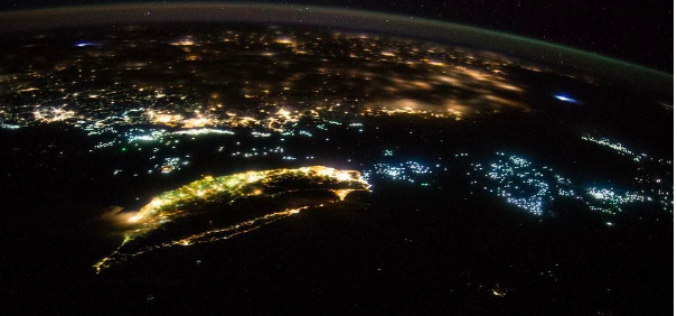
The Difficult Case of Taiwan’s Sovereignty
In the wake of rising tensions in the South China Sea, between China and its neighbours, the issue of Taiwan’s sovereignty is once again in the spotlight as Beijing clamps down in an attempt to secure its maritime borders and territorial claims in the region. Do recent developments suggest an end to the ambiguous status quo?
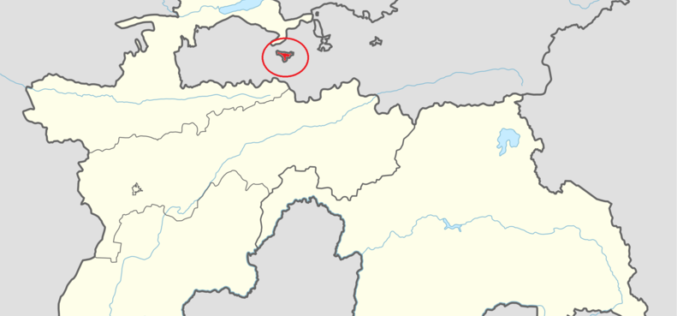
Kyrgyz-Tajik Relations in the Fergana Valley: Trapped in a Soviet-era Labyrinth
Recent border clashes between Kyrgyz and Tajik troops, which have thus far claimed the lives of over 50 civilians and military personnel, are the latest skirmishes in what seems to be an eternal pattern of sovereignty-related disputes between the two Central Asian nations. There is a case to be made that the problems in the region, driven predominantly by each states’ respective claims to land and water resources, can be attributed to the legacy of both Kyrgyzstan and Tajikistan’s historical position within the Soviet Union.
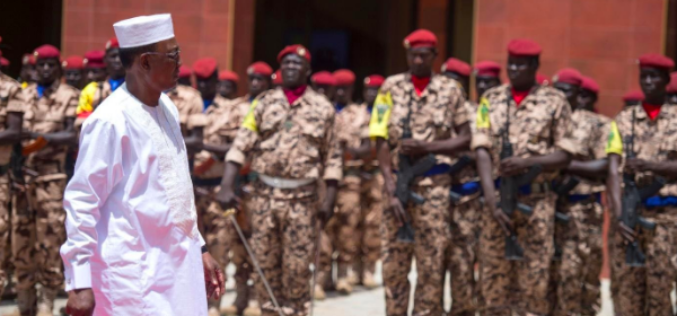
Chad – Death of Chad’s President Leaves Vacuum in the Heart of the Sahel
On 20th April Chad’s President, Idriss Déby Itno, was killed inspecting troops fighting a rebel insurgency in the North of the country. A close ally of Western powers, his death has left a vacuum at the center of power in Chad, potentially threatening security in the wider Sahel region. In the wake of a swift military transition, Chad now stands at a crossroads as protesters call for democratic elections and international allies appear to flounder in their policy towards the country.
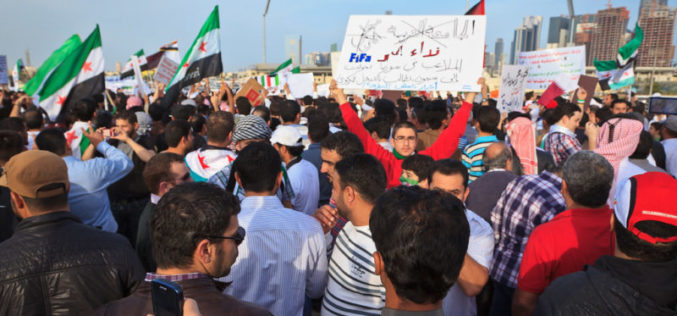
Syria’s Decade of War and Russia’s Encouragement of the Ongoing Conflict
As of March 2021, Syria has now been embroiled in civil war for ten years, as both the Syrian interim government and various other rebel factions continue to fight back against Bashar al-Assad and the human rights abuses that have occurred under his presidency. Yet, after an entire decade of war, there still does not appear to be any clear indication of peace in sight. This raises the question as to what has caused the conflict in Syria to last so long, and which state actors or nations might be responsible.
Energy Transition in the European Union: Great Challenges and Opportunities
Transition towards low carbon energy systems remains to be a challenge for the European Union. Europe is faced with economic, social and environmental costs of having fragmented national energy markets despite the ambitious “European Green Deal” agenda of Von der Leyen’s Commission, which positions the EU as a leader in global climate action through comprehensive decarbonization policies. A net reduction target of minimum 55% from the EU’s greenhouse gas emissions was agreed on Wednesday 21st of April by European co-legislators under the framework for European Climate Law. Nonetheless, curbing GHG emissions necessitates regional concerted action for transition from fossil fuel economies to renewable energy based systems in order to face the transboundary effects of climate change.
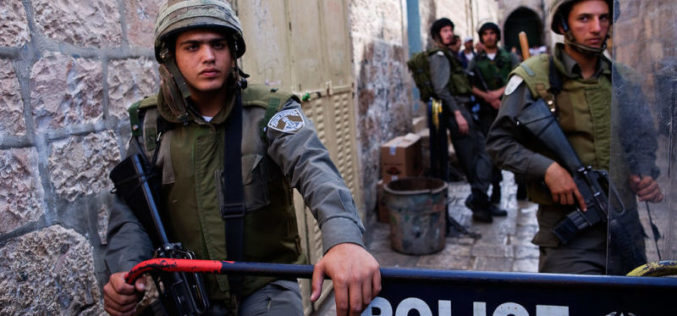
Religious Riots in Jerusalem: Reignited Tensions in the Israeli-Palestinian Conflict
Months of quiet intermission in the rivalry between Israel and Palestine ends as new tensions emerge between the feuding states, ranging from riots in Jerusalem caused by religious extremists to exchanges of missiles over the Gaza Strip. These latest clashes in the ongoing Israeli-Palestinian conflict represent the frailty in their relationship, serving as a reminder that even when tensions appear to be low for a time, hostilities can be triggered and reignited at any time. Further underlined by the particularly long period of time that these states have been rivals, it is left unanswered when, and even if, the conflict will ever be firmly resolved.

The Risks of Criminal Activity in Times of COVID-19 Vaccine Nationalism
The slow and unequal distribution of COVID-19 vaccines has not only hampered the global economic recovery from the pandemic. In lower and middle-income countries, the scarcity of vaccine supply has opened up opportunities for organized criminal groups to orchestrate lucrative activities thus endangering the health of vulnerable populations and undermining public trust in state institutions. As the tendency of slow vaccine rollouts is set to continue, the security situation in developing countries is likely to deteriorate.
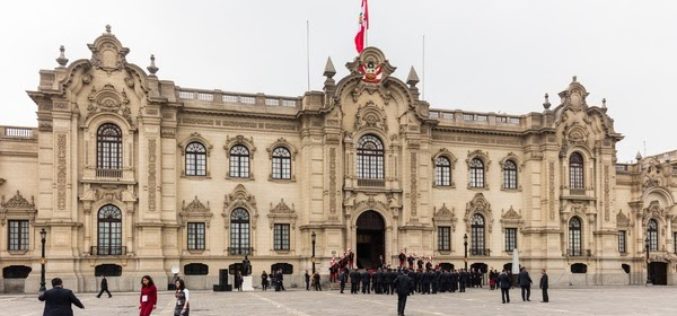
Peru: Voters take to the polls amid a political and public-health crisis
On April 11th, Peru held the first round of its presidential elections, after which candidates Keiko Fujimori and Pedro Castillo emerged in the lead. The second and final round of Peru’s presidential election will take place this Sunday. Whoever is ultimately successful at becoming Peru’s new President will face institutional challenges exacerbated by a public-health crisis.
