
Latest Insights
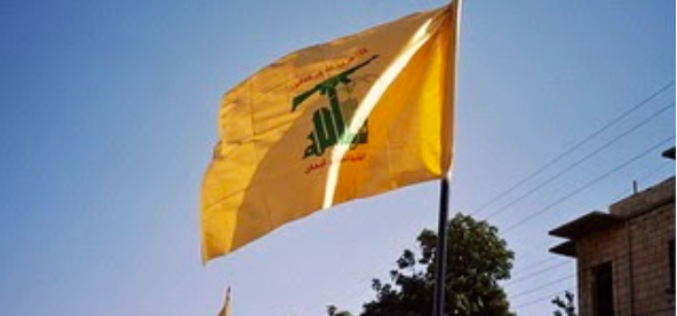
Hezbollah’s Economic Initiatives in Collapsing Lebanon
With the Lebanese Lira hitting a new low at the beginning of March, Lebanon is at the brink of collapse, undergoing fuel shortages and driving its population into poverty. The economic crisis has worsened in the last year due to the advent of the Covid-19 pandemic, the explosion of the port of Beirut in August, and, above all, to the Lebanese political class that has repeatedly failed to form a government. The political vacuum has given room to Hezbollah, which is likely one of the actors responsible for stalling the government’s formation, to demonstrate its abilities in managing the country through its apparently well-developed social welfare.
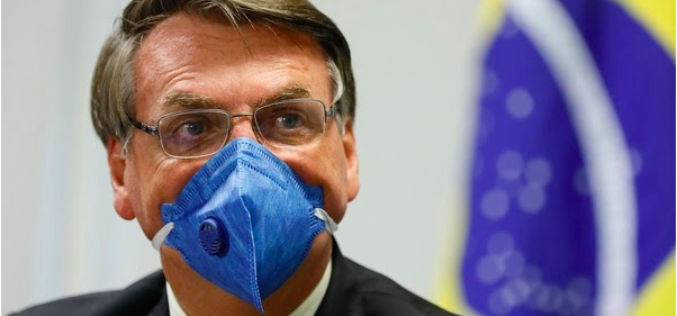
Brazil’s Attitude Towards the Pandemic Poses a Serious Threat to the Region
Since the start of the pandemic, Brazil has become an epicenter for the spread of coronavirus in the region. Jair Bolsonaro has opposed lockdowns, supported unreliable medical treatments, and downplayed the impact of COVID-19 in the country. The eruption of the new Brazilian variant (known as P1) is dominating the country. This scenario has alerted leaders, who have taken measures to prevent this new and highly contagious variant from proliferating freely. The situation is becoming a threat to the region. The lack of policies can lead to the outbreak of new coronavirus variants that can alter vaccination plans in the rest of the continent.
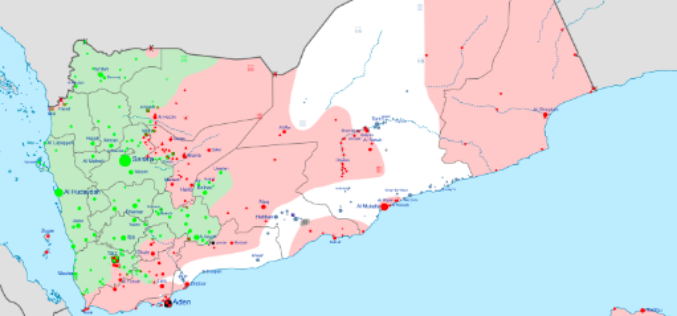
Yemen’s Chance for Peace Weakens as the Fighting against the Houthis Intensifies
As the war in Yemen enters its seventh year the Saudi Arabian-led coalition has begun attempting peace talks with their main adversaries, the Houthi rebel forces that have occupied much of the northwest of the country for the last several years. As President Biden is now committed to withdrawing American support for the coalition, it has left them at a disadvantage which they appear to wish to rectify by negotiating with the Houthis in the hope of reaching an agreement. However, the Houthi forces have largely held a strong position in the war and, as demonstrated by their recent bombings and airstrikes, appear to have little interest in ending the conflict.
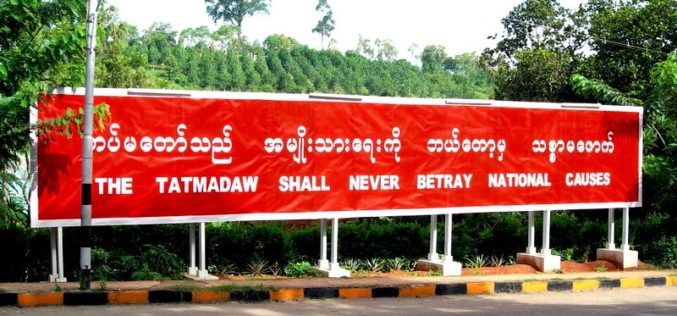
Russia and the Myanmar Coup: An Opportunity for Increased Arms Exports
Whereas most countries have condemned the coup in Myanmar, Russia is openly advocating for enhancing military technological cooperation with the military regime. In doing so, Russia seems to see the new military rule as an opportunity to increase its influence in Myanmar whilst boosting its arms exports. This may be a classic example of Moscow’s limited bilateral engagement, seeking financial gain and increased influence whilst preserving their strategic autonomy.

Nazanin Zaghari-Ratcliffe: Anglo-Iranian Relations and Hostage Diplomacy
Nazanin Zaghari-Ratcliffe was detained by Iran’s Revolutionary Guard in March 2016, marking the start of a five year ordeal which only now seems to have any prospect of ending.
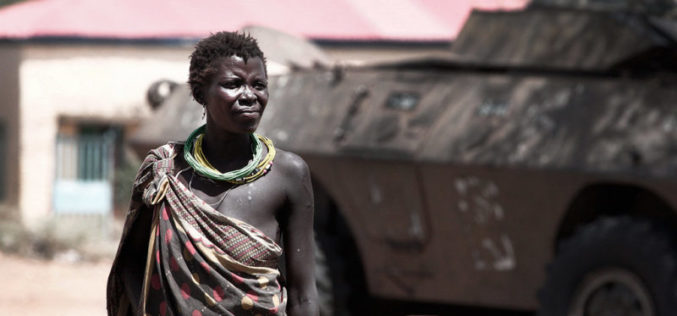
Heightened Human Security Concerns in South Sudan May Lay the Foundations of Great Power Competition in North Africa
A South Sudanese famine, exacerbated by recent large-scale flooding, is threatening to deal a shattering blow to the world’s youngest state. Wracked by domestic instability and with a government refusing to acknowledge the danger faced by its people, the potential for a humanitarian disaster is enormous. Now is the chance for the UN and the West to reaffirm its commitment to stability in North Africa.
The Risks of a Positive Agenda Between the EU and Turkey
In the aftermath of the 25-26 European Council Summit, the EU is clearly divided in its approach to Turkey. While some wish to see a more determined EU which supports its values and protects its Member States, others disagree with sanctions on Turkey and support a more welcoming plan with which to meet the state. However, an approach using exclusively soft power opens up the EU to risks that have the potential to be very costly.
Italy Battles Continued Challenges to Political Stability
Italian politics has undergone radical change in the last year. As the Covid-19 pandemic continues, new Prime Minister Mario Draghi faces the challenge of leading a stable Government that can secure Italy’s roadmap to freedom from the virus and overcome the related economic hardship. At the same time, two of the major parties in Italian politics, the democratic Party and the Five Star Movement have experienced ideological fragmentation and are seeking new political identities.
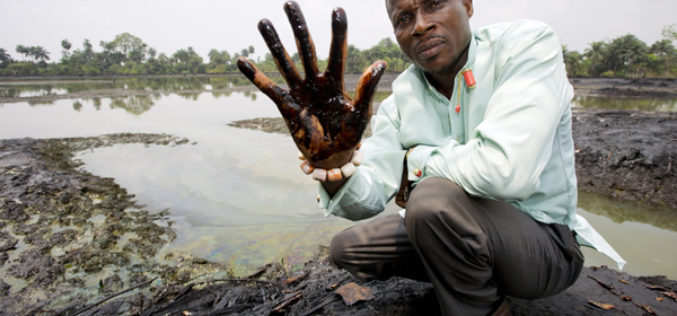
UK Supreme Court Approval of Shell-Bodo Case: Could This Be a Step Towards a More Equitable Future?
A British Supreme Court ruling has brought to a head a 13-year-old battle to hold Royal Dutch Shell accountable for massive oil spills in the Niger Delta in 2008 and 2009. This creates a precedent for taking multinational corporations to trial in the home countries of their parent companies. This may mark the beginning of a more regulated global environment, in which subsidiary companies responsible for human rights abuses happening abroad could be held more accountable. Whether this will be an effective solution remains to be seen.
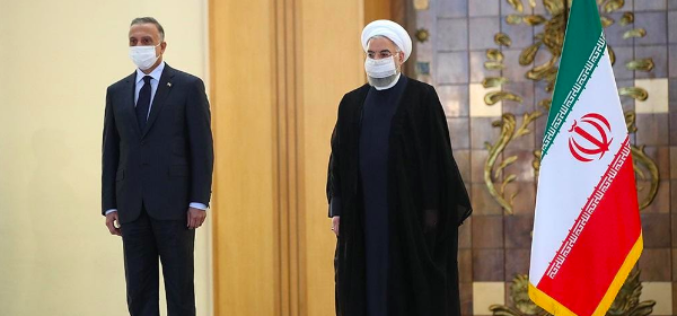
Iraq’s National Dialogue
Pope Francis’ visit to Iraq had a significant impact on the national unity of Iraq. A moment of pride and unity for all Iraqis as media-outlets put the country and its rich history and diverse cultures in a positive light. Prime Minister Al-Kadhimi recognised this opportunity and called for a National Dialogue to tackle the divisions within the country.
