
Latest Insights
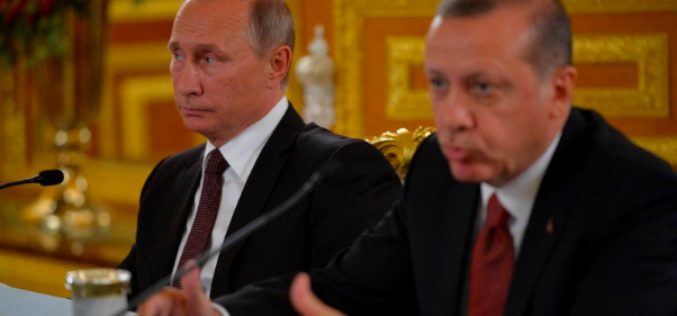
Why Turkey Could Help us Understand Putin’s Intentions in Ukraine
Russia has staged the largest mobilisation along the eastern Ukrainian border since the Annexation of Crimea in 2014. Iuliia Mendel, spokesperson for the Ukrainian President, Volodymyr Zelenskyy, stated that Moscow had stationed more than 40,000 soldiers near the separatist-held region of Donbas along with an additional 9,000 in Crimea. The sudden increase of Russian military presence in the region comes amid deepening defence cooperation between Turkey and Ukraine. This development in the Ukraine conflict follows a pattern of strategic rivalry between Ankara and Moscow in Libya and Syria. Although on opposing sides in each of these crises, the Russian President, Vladimir Putin, and his Turkish counterpart, Recep Tayyip Erdoğan, share the same geopolitical goal of undermining Western pre-eminence in the post-Cold War system of international relations. Initiative in defence and security in the conduct of relations that Moscow and Ankara exercise with third countries means it is likely the crisis in eastern Ukraine will intensify.
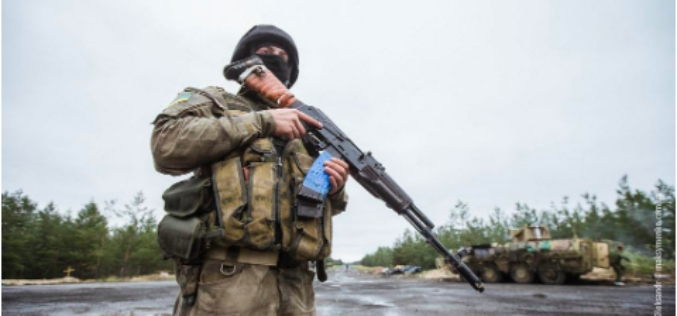
Have Russia and Ukraine been on the Verge of Open War?
The ongoing conflict between Russia and Ukraine appears to have reached a new peak this year as President Putin has recently deployed over 100,000 troops to the Ukrainian border. Russia’s actions here initially appear to be ambiguous, as it can be interpreted in more than one way – has Russia been attempting to intimidate their enemies with a display of force and dominance, or are their intentions more aggressive? There is room to argue here that Russia has, at some point at least, been preparing for open war with Ukraine.

Covid-19: Cyberattacks on the Healthcare System
The digitalization of the healthcare system brings more challenges than anticipated. One of those challenges are cyberattacks, which have been classified as low priority threats. Now during a worldwide pandemic, the healthcare system has never been so necessary. However, it has also made the healthcare sector more vulnerable, which has attracted cyberattacks in growing numbers. Awareness is needed to attract investments and take actions into creating a more resilient digitalized healthcare sector.

Increasing Female Representation in U.S. Politics: Non-Partisanship and Confidence-Building for Political Empowerment
Running Start is a U.S. nonprofit that trains diverse young women to run for public office. Recognizing the lack of female representation at all political levels, the organization aims to encourage women regardless of partisan affiliation to seek political office and supports them through mentoring and skill-building in leadership, campaign strategy and teamwork. Under CEO & Founder Susannah Wellford’s leadership, Running Start has trained over 20,000 women from high school to college in more than 100 annual programs. 90% of alums who ran for office have won. SHE SAID spoke to Susannah Wellford about her vision for female political empowerment.
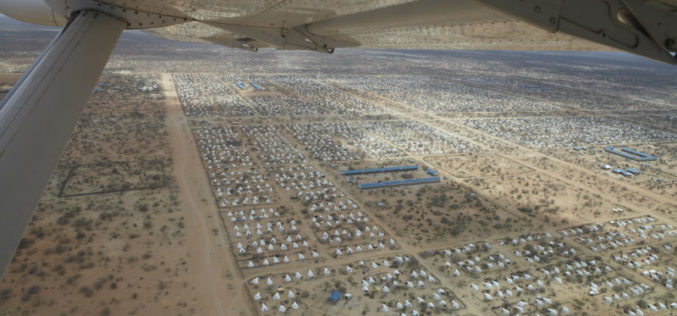
Kenya: Camp Closures Weaponised as Relations with Somalia Sour
The maritime dispute between Kenya and Somalia has dragged diplomatic relations between the two neighbours to a new low, with the most likely outcome favouring Somalia. In threatening to close Dadaab and Kakuma, Kenya may be seeking a new source of pressure to apply to Mogadishu through deploying the prospect of thousands of returnees as leverage.
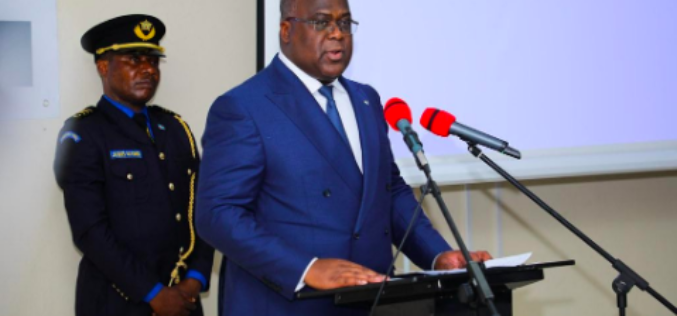
New Cabinet Signals Tshisekedi’s Tightening Grip on Power
On Monday 12th April Jean-Michel Sama Lukonde, Prime Minister of the Democratic Republic of the Congo (DRC), announced a new cabinet representative of President Felix Tshisekedi’s ruling coalition. Tshisekedi’s “Sacred Union” coalition has had figures appointed to key posts including finance minister, mining minister and interior minister. The previous government had a majority of ministers loyal to former president Joseph Kabila and was headed by a pro-Kabila Prime Minister. The replacement of all but ten of those figures represents the changing balance of power in Congolese politics.

Mexican Marijuana: The Effects of Legalization on the Economy and the War on Drugs
Following in the footsteps of countries including Canada and Uruguay, Mexico’s lower house passed a bill on 10th March for the purpose of legalizing the recreational use of cannabis. President Andrés Manuel López Obrador, often referred to as AMLO, has cited undermining drug cartels as one of the key reasons behind his support for the proposal. Nevertheless, though legalization is likely to prove an economic boon, its impact on crime is likely to be less substantial.

The Domino Effect of Normalizing Violence Against Women: Why Turkey’s Withdrawal from the Istanbul Convention Has Become the Norm Rather Than the Exception
Turkey’s decision to withdraw from the Istanbul Convention has been highly criticized by the European Union and human rights advocates. However, Turkey is not the first and most likely not the last country to opt out of the Convention on preventing and combating gender-based violence. Whereas much of the focus has been on Erdogan’s political motivations behind the decision, the issue of violence against women in Central and Eastern Europe in relation to the Istanbul Convention remains in the shadows and requires further attention.

The Suez Canal, Maritime Chokepoints & The South China Sea
Written by Mark Wright. The recent blockage of the Suez Canal by the Ever Given container ship brought global attention to the importance of maritime chokepoints. While the international community
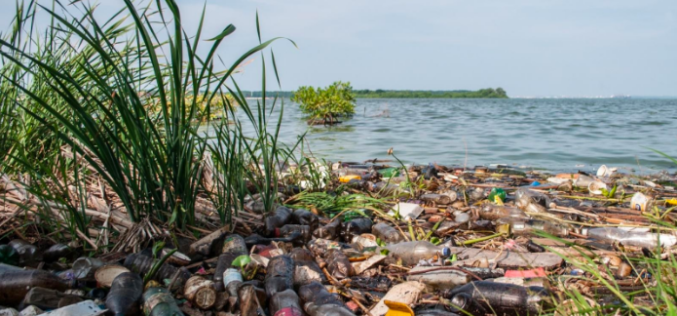
An Ecosystem in Crisis: Environmental Degradation in Venezuela
Venezuela’s biodiverse environment, from its share of the Amazon rainforest to its lakes and coastline, has suffered increasing levels of pollution and degradation in recent years. Venezuela’s reliance on extractive practices including mining and its ageing oil industry is one of the main drivers of the degradation of its environment. Given the attitude of the Maduro regime, the situation is set to worsen.
