
Latest Insights
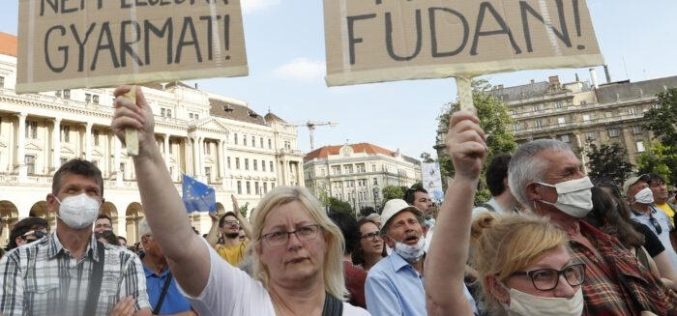
Hungarians protest encroaching Chinese Influence
Recently, Hungary’s President Orban has faced a wave of protests in response to plans to build a Chinese satellite campus at a Budapest University at the cost of $1.8 billion. The Hungarian public have objected on the grounds that the project could undercut the country’s higher education and increase the influence of China’s communist authorities in Hungary and across Europe. If the project goes ahead, there could be benefits for Sino-Hungarian relations but possibly at the cost of Hungary’s relations with its European neighbours and the stability of Orban’s premiership.

United Kingdom – Northern Ireland Protocol Complicates Trade Negotiations
The status of Northern Ireland (NI) has consistently been one of the most contentious aspects of Brexit. The tenuous political quagmire, combined with the fact that it hosts the only land border between the UK and the EU, has caused a plethora of economic and sociopolitical problems. In an attempt to prevent the creation of a hard land border in Ireland, the UK elected to let NI remain part of the EU single market. While this has prevented dividing Ireland, it has strained relations between NI and the rest of the UK.
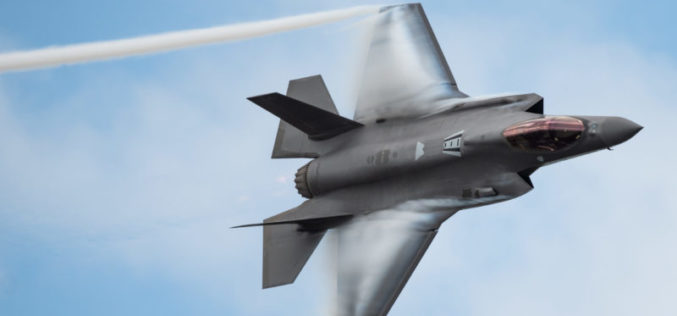
The political implications of Switzerland’s F-35 acquisition
Switzerland has finally selected Lockheed Martin’s F-35A for its Air Force 2030 program. The deal, with 36 aircraft, is expected to be worth $6.5 billion. Critics have argued that the F-35, with its sophisticated stealth and networking capabilities, is too much for a small country like Switzerland that requires only an air-policing aircraft. The decision to select the F-35 exemplifies how much politics are involved in purchasing military hardware worth billions of dollars.
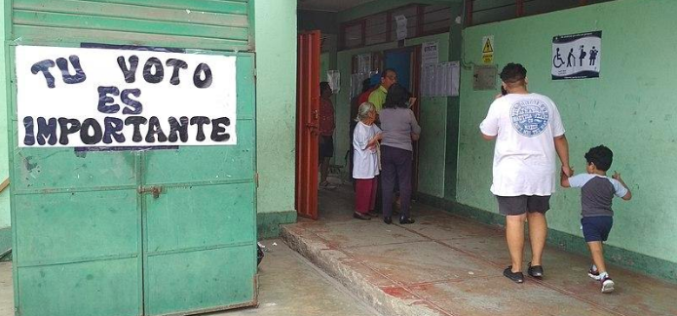
A New Left Turn in Latin America? COVID-19, Populism and Polarization
The apparent victory of socialist candidate Pedro Castillo in Peru’s general election this year hints at a leftward political trend in Latin America. COVID-19 has played a role in this, but the key driver of the shift is more fundamental. However, looking beyond the left-right paradigm, recent developments are indicative of worsening populism and political polarization in the region.
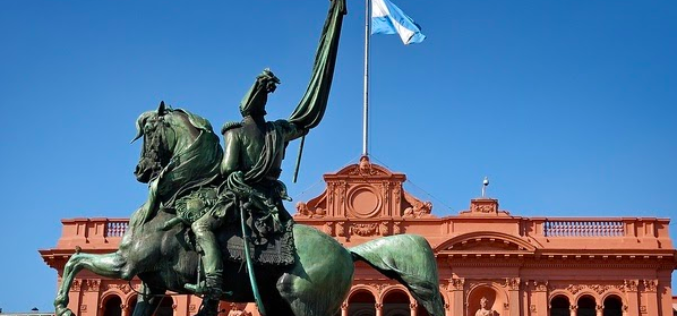
An Isolated Argentina seeks an Alliance with Mexico- What are the Implications?
As Argentina becomes more isolated in the region, its President, Alberto Fernandez, is seeking closer relations with Mexico. Is a strategic alliance between the two countries possible? What are the implications for the region?
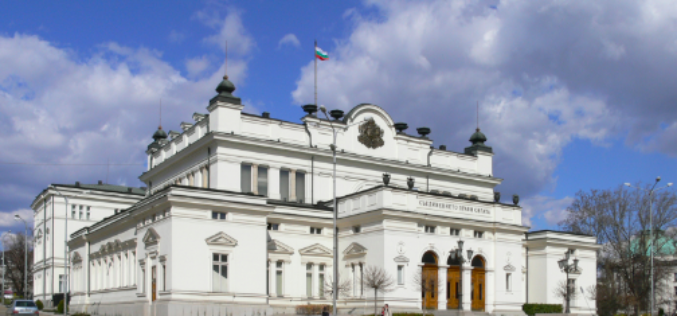
“There Are Such People” in Bulgaria’s Parliament
The new Bulagrian party There are Such People (ITN), led by the former late-night TV show host Slavi Trifonov and his screenwriters, entered the political scene with a bang. It secured more than 17 percent of the vote in the last parliamentary elections, but curiously refused to form a government when given the mandate. The party also did not participate in any traditional media campaigns instead choosing to utilise social media platforms. It is important to understand the rise of ITN as well as what this political phenomenon means for political life in Bulgaria, given the upcoming snap parliamentary elections in July.
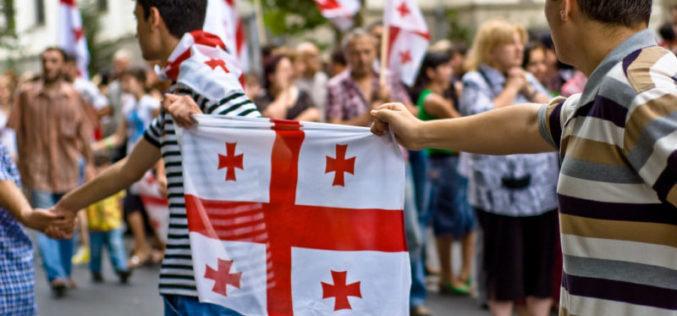
Georgia’s political struggles may not be over just yet
Over the last year, Georgia has faced political disunity between the ruling government party, Georgian Dream, and its opposition, United National Movement. Tensions have been brewing, but the pinnacle of the division came after the 2020 election in October, which was declared rigged by the opposition. Following this, protests erupted and the opposition leader, Nick Melia was arrested. The EU has stepped in to broker a deal to resume the functioning of parliament. However, taking into account the deep institutional rifts between the political parties in regard to Russia, this solution is likely to only be temporary. Real change amongst the nation’s political actors needs to happen to consolidate democracy.
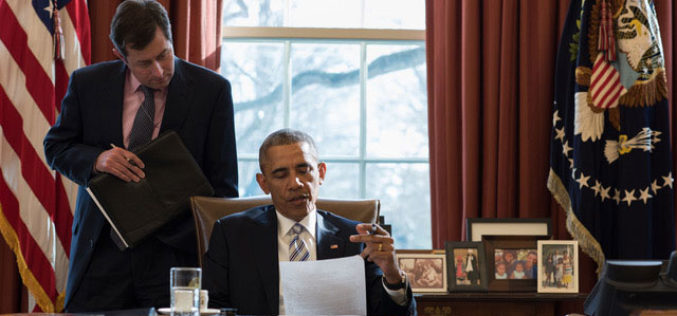
The Power of Values: An Interview With an Obama Foreign Policy Speechwriter
GRI’s co-founder Basim Al-Ahmadi sat down via Zoom with Terence Szuplat, one of President Obama’s longest serving speechwriters.
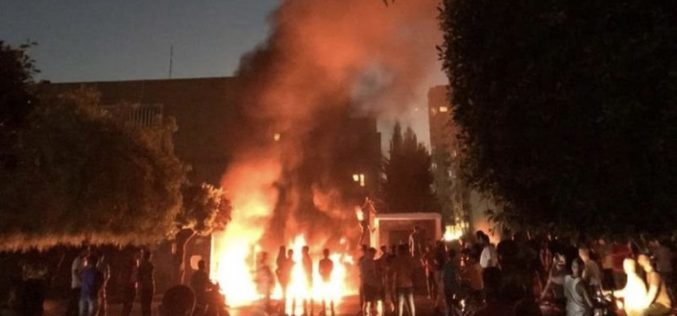
Chaos in Lebanon: How much longer can the military maintain law and order?
Last month, June 2021, I recorded a total of 97 Security Incidents happening across Lebanon. The vast majority of these were roadblocks set up by angry protesters over the rapidly deteriorating socio-economic conditions. There were, however, 15 occasions of violence, in security operations, militancy, crime and personal disputes. Towards the end of the month, this figure was quickly rising and has continued to increase into July. This begs the question: For how long can the un-paid and deeply suffering Lebanese military remain deployed to maintain law and order?
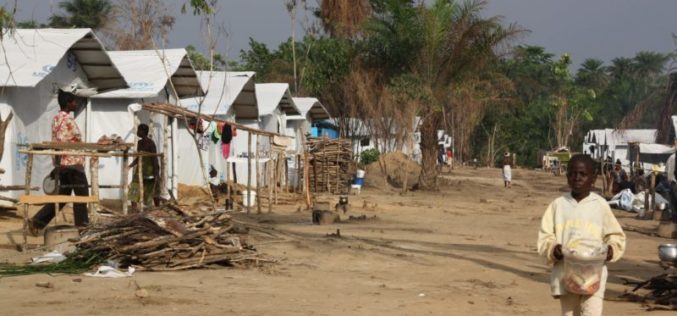
Will the link between climate change and conflict be recognised?
Although scientists, politicians and academics differ as to whether climate change directly causes armed conflict, humanitarian organisations like the International Committee of the Red Cross and Red Crescent believe the role climate change plays in violent strife can no longer be ignored. Communities have been torn apart by ethnic tensions exacerbated by drought-induced resource scarcity, and if world leaders fail to address the devastating effects of climate change, peacekeeping efforts in unstable territories could suffer.
