
Latest Insights

COVID 19 and the Shifting Maritime Balance
In South East Asia, the reduction of the navy budgets in key countries might threaten the balance of power by weakening their presence in a highly disputed area. Indeed, China has already adapted its policy in the South China Sea to benefit from the weakening of its opponents.
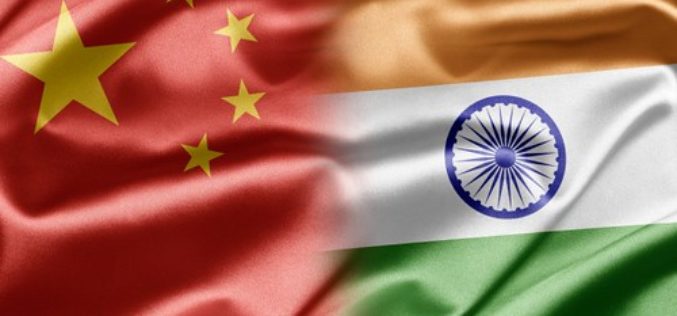
Rising tensions in Eastern-Ladakh – Wider Foreign Policy Implications
In recent history, tensions between China and India over control of the Galwan Valley have never been as high. Whereas China has the upperhand in the border dispute, India is trying to find other ways to frustrate China in its search to increase its geopolitical influence over the region.

On the brink of state failure: Lebanon’s continuing crisis
After a year of protests at corrupt sectarian rule and a stagnant economy, Lebanon has come full-circle in re-appointing Saad Hariri as Prime Minister. As a state, Lebanon faces multiple existential challenges which Hariri has a gargantuan task to surmount.
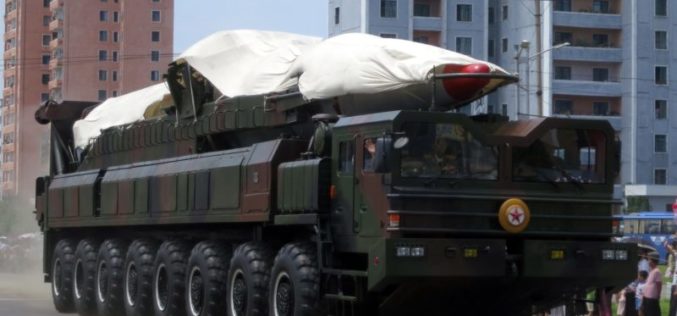
North Korea’s recent nuclear advances: what are the implications for European security?
On the 10th of October 2020, North Korea unveiled what appeared to be its biggest-ever intercontinental ballistic missile, during a military parade organised in Pyongyang. This new ICBM, although currently untested, reflects North Korean nuclear advancements and revives the global debate surrounding North Korea’s nuclear arsenal. For the European Union, North Korean nuclear capabilities represent a strong risk for its security.
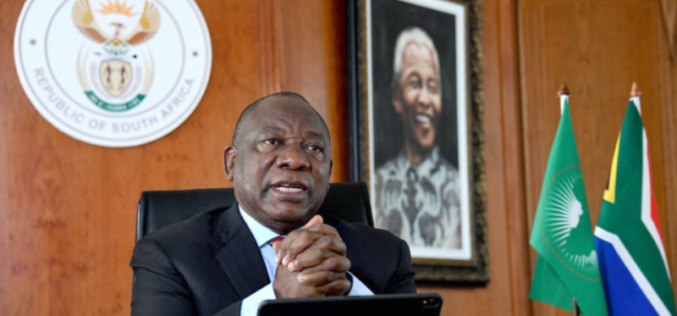
South African Government Accused of Falsifying Unemployment Relief Denials
For six months, South Africans have been well aware of their government’s corruption and incompetence in delivering its $26 billion COVID-19 relief package. Now, many South Africans are being notified that their applications for assistance placed in May have been declined, stating “alternative income source identified.” Yet many citizens who have been receiving this reason are unemployed.

10 reasons why Trump is likely to win re-election
President Trump has been repeatedly reported to be trailing in the polls for this week’s General Election. However, we predict that the incumbent’s re-election is highly likely, and not as improbable as the mainstream media, polls and political risk institutions suggest.

IMF Money? Colombia’s Listening!
After a year of bad news due to the COVID-19 pandemic and its economic repercussions, Colombia’s fortune is finally improving: at the end of September, the IMF expanded Colombia’s credit line from USD 10.8 billion to USD 17.2 billion.

European monetary policy faces another crisis: Is the ECB effectively leading the way?
In a little over a decade the European Central Bank found itself fighting three considerable crises: the Great Recession in 2008, the sovereign-debt crisis in 2011-2012 to today’s pandemic-induced recessions. The Euro is a project without precedent and under Mario Draghi the ECB was a leading actor in world monetary policy. In 2019, Christine Lagarde became the new president of the ECB. How does she compare?

USA Latinx Voters in Florida: An increasingly important group
With both presidential candidates visiting South Florida this past week as part of their campaigns, the fight for the narrow state of Florida has become a top priority in the

Ivory Coast’s Election is Heading Off the Rails
Cote d’Ivoire’s President Alassane Dramane Ouattara increased the possibility of political instability when he announced in August that he was running for a controversial third term. The move comes at a time when the country’s economic forecast has been downgraded due to COVID-19, and the region is experiencing a rash of leaders trying to extend their time in office—a trend called third-termism, as well as increasing activity from violent extremist organizations.
