
Latest Insights
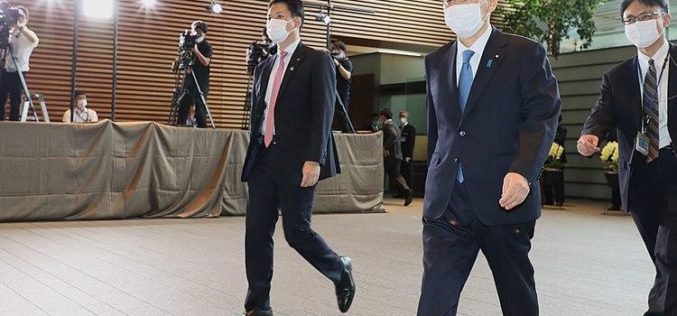
‘Suganomics’: What can we expect?
Japan’s new Prime Minister Yoshihide Suga, who took up office on 16th September, faces the challenge of revitalizing an economy still reeling from the effects of COVID-19. There are indications that Suga will continue many elements of his predecessor Shinzo Abe’s ‘Abenomics’ policy. Nevertheless, his economic policies are likely to diverge from Abe’s in a few key areas, owing to the influence of the COVID-19 pandemic and Suga’s tenure as Minister for Internal Affairs and Communications.
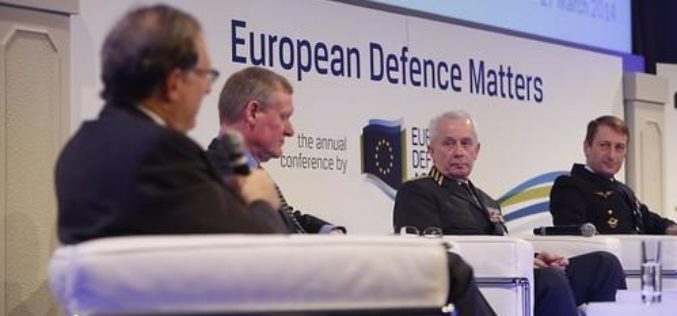
Cuts in the European Defence Fund’s budget: at what cost?
The European Defence Fund (EDF) was originally intended as a key measure for achieving European strategic autonomy. Its downsizing is putting future EU military and industrial capabilities into question, while highlighting the permanent lack of defence cooperation between EU member states.

Russia: Space Expansionism Anew?
After the discovery of phosphine in Venus’ atmosphere, Russian Space Agency Roscosmos was quick to reaffirm Moscow’s commitment to exploring the planet. Furthermore, Russia’s previously dominant position in international space travel has been challenged since private actors have entered the field. These two factors prompt a potential revival of Russian extraterrestrial ambitions.
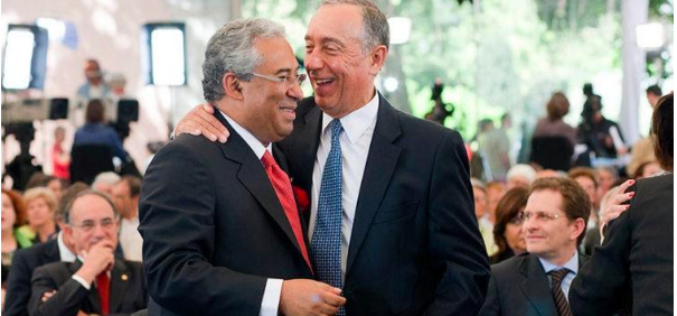
Will 2021 be a defining year for Portuguese politics?
As we approach January 2021, there seems to be little doubt about who will be the next Portuguese President. Nevertheless, over the past month, we have sensed the potential implications of presidential elections, as candidates announced their campaigns.
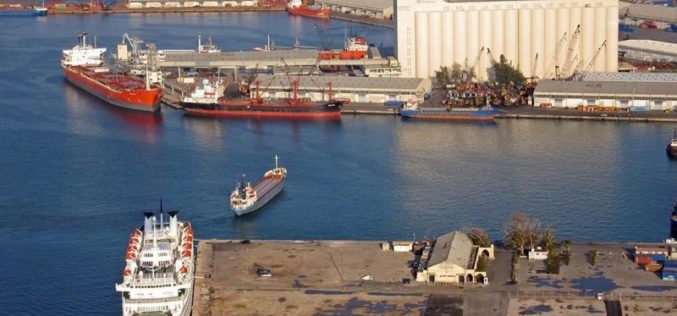
Rebuilding the Port of Beirut: a competition for geopolitical influence
In the wake of the explosion that devastated the Lebanese capital on 4 August 2020, multiple countries made offers to participate in the reconstruction of the Port of Beirut alongside sending their condolences. Far from being disinterested acts of solidarity, these propositions constitute strategic moves in a geopolitical game for greater influence over the Eastern Mediterranean. France is likely to stand out from the rest of the competition due to its historical and cultural ties to Lebanon, its current involvement in pushing for reforms in the country and its geopolitical position.
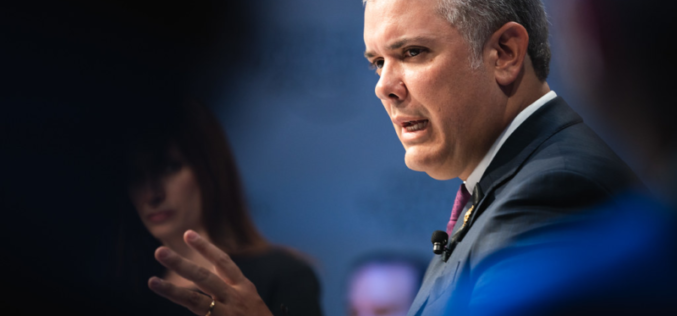
Colombia: President Duque at risk of giving ground to opposition amid ongoing crises
With internal pressure mounting, Colombia’s president Iván Duque faces serious challenges halfway through his presidency. Recent polls suggest that domestic support is decreasing, leaving his party’s dominance in peril. If Duque can’t solve the ongoing domestic crises, the opposition is likely to gain ground before the elections in 2022.
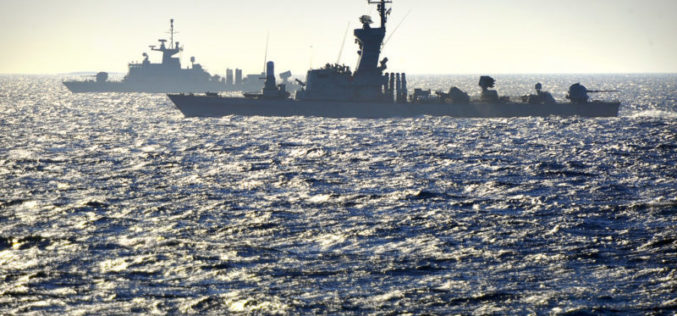
Eastern Mediterranean: too small of a bathtub for two swimmers
While the two protagonists Greece and Turkey are currently in dispute over economic rights in the Eastern Mediterranean, other stakeholders within the region continue to complicate their strained relationship. As this issue develops, wider implications emerge well beyond the region, creating both opportunities and hazards
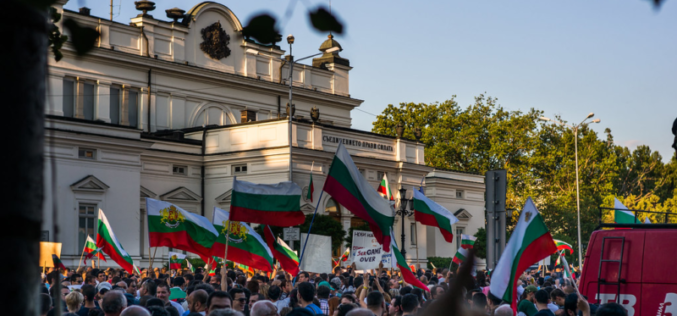
From protests to constitutional crisis: Boyko’s latest gamble
After years of stability and growth, Bulgaria is navigating a turbulent crisis while no one seems to be paying attention. What’s next for this small European country?
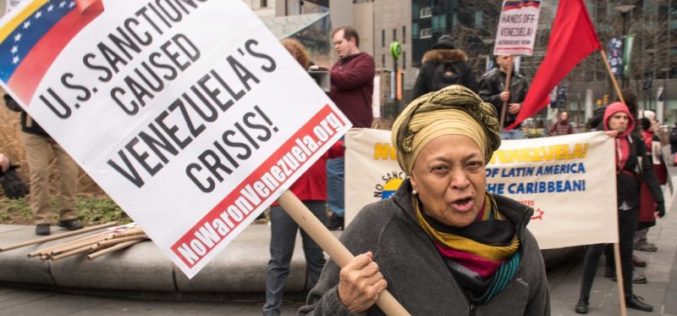
Crisis besets Venezuela: A failing regime?
Economic downturn, trading tensions with the USA, and international sanctions have all begun to play a role in the destruction of the Maduro regime. The possible results of this are civil unrest, economic collapse and ultimately, a failed state.
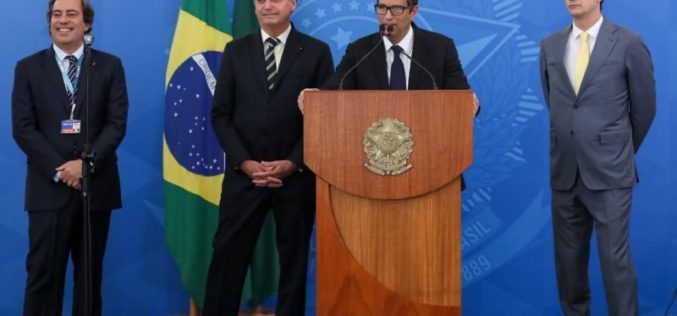
Brazil: How is South America’s biggest economy poised to behave?
Last week Brazil’s COPOM (Committee for Monetary Policy) met to discuss the current economic environment, not only in Brazil but around the world. The meeting had one overall result, which was to maintain current interest rates. The country’s Taxa Selic will stay at 2% p.a. Although this event might not seem newsworthy, it tells us a great deal about the recovery of the South American economy.
