
Europe
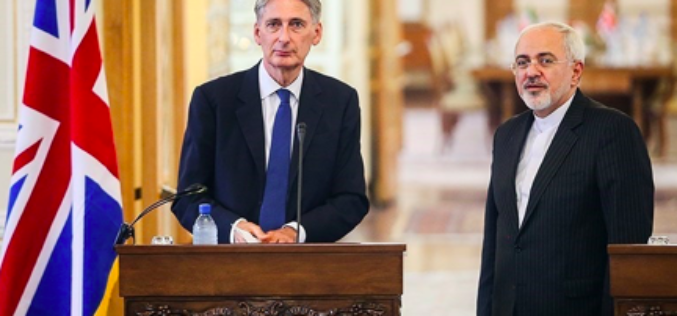
The not-so-uncertain future of British-Iranian relations
In August 2015, after four years of closure, the British Embassy in Tehran reopened its doors. As Ambassador to the Islamic Republic, Nicholas Hopton, is a seasoned diplomat familiar with the Gulf region with previous experience serving as Ambassador to Qatar.
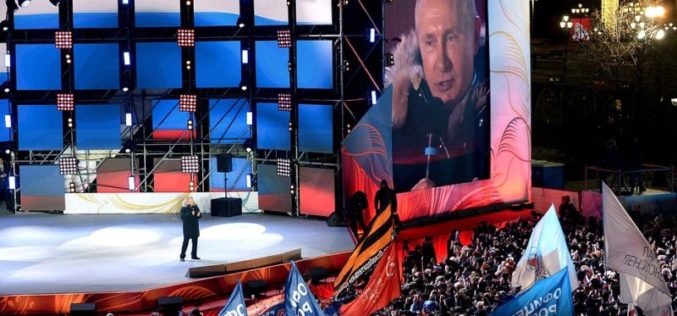
Putin’s next 6 years: shadow of stagnation or light of reform?
After his record landslide victory on March 18, with serious economic and political challenges ahead, Russian President Vladimir Putin has his work cut out.
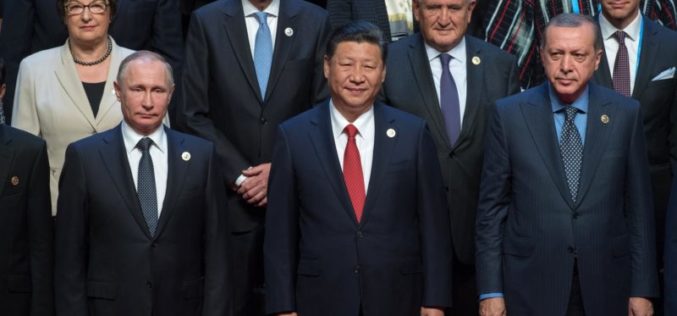
Chinese economic interests and the threat to EU cohesion
Today, some of Europe’s poorest countries are critical to China’s global economic development strategy. Under the 16+1 sub-regional framework, which includes eleven countries from central and eastern Europe and five from the Balkans (CEEC), China is pursuing investment opportunities in infrastructure in order to enhance its connectivity with the European region.
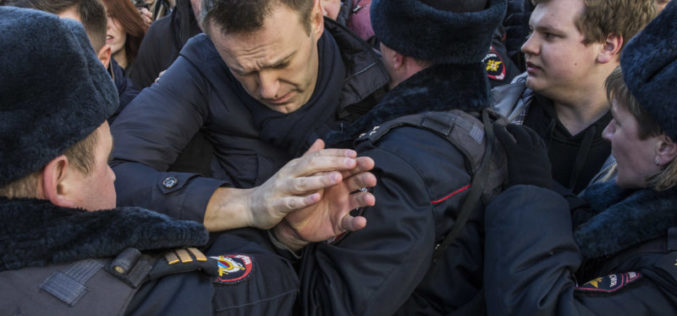
Russian authorities speeding up control over Runet
The latest investigation by the Russian Anti-Corruption Foundation, led by opposition activist Alexei Navalny, found that they have been censored from the Russian Internet with surprising speed. It took two days for the national IT regulatory body to begin issuing warnings to media and providers.
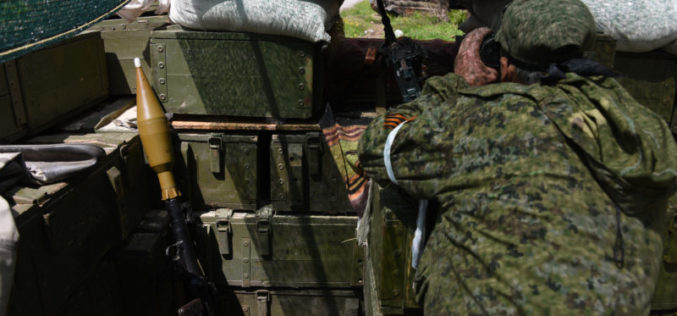
Chapter Review: Russian military reform and lessons learned in Ukraine
In a chapter of the Jamestown Foundation’s upcoming book on Russia’s Armed Forces, Roger McDermott argues that the ongoing process of military reform in Russia is closely informed by the conflict in eastern Ukraine. While the Kremlin still denies its direct involvement, McDermott argues that publicly available information is sufficient to decipher the lessons that Russia’s Armed Forces have learned in Donbass.
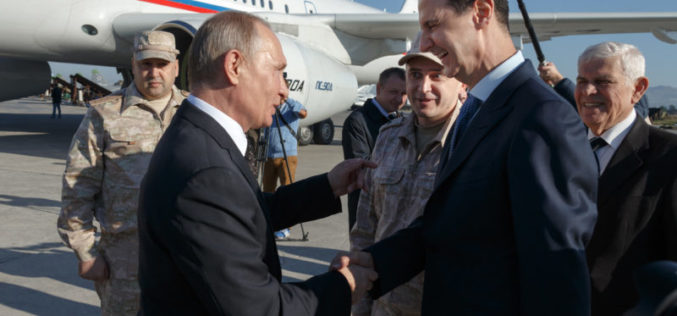
Russia’s privatised military: a move away from Statism?
Benjamin Marsh considers the extent to which private contractor encroachment into a previously protected strategic sector is indicative of a broader shift away from statism in Russia.
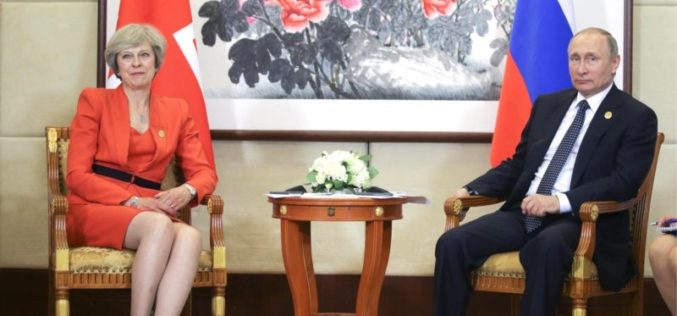
On Russia, Theresa May’s options are limited and ineffective at best
Theresa May’s demands for an explanation of the nerve gas incident are almost certain to be ignored by the Kremlin, but the real risks would lie in pursuing an escalation.
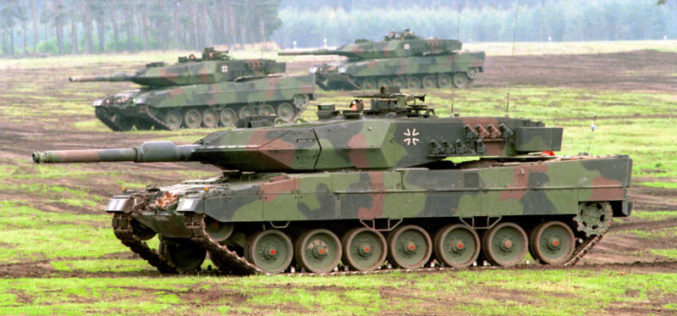
The state of Germany’s military readiness
The German military is dramatically under equipped to meet pressing international security challenges per a recent watchdog report.
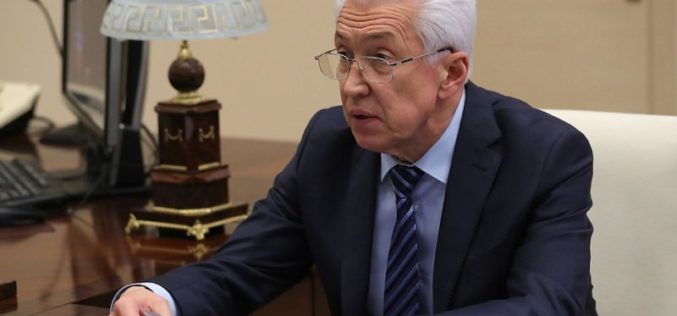
The Kremlin’s anti-corruption campaign comes to the Caucasus
In recent years, anti-corruption campaigns in Russia has led to multiple arrests and trials of high-level officials, including several regional governors. In early 2018, they came to the republic of Dagestan in the North Caucasus.

New elections could bring political insecurity to Germany
With new elections in the realm of possibilities, Germany is likely to turn towards domestic stability rather than prioritizing European issues.
