
Europe
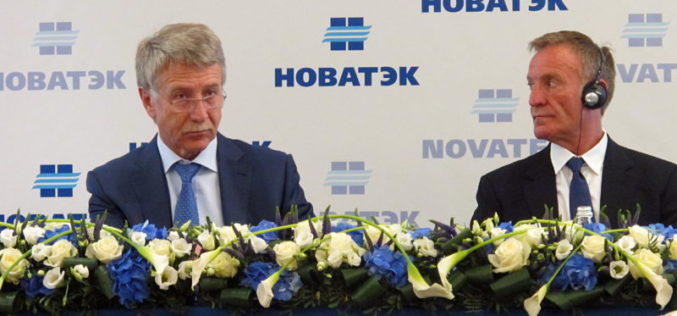
Challenges of Arctic shipping in Russia: The case of Novatek
In early August Novatek, Russia’s largest independent natural gas producer, launched the second train of Yamal LNG even earlier than planned. Although gas production is ahead of schedule, Novatek’s shipping capacities are lagging behind.
UK consumer debt: A cause for alarm?
As consumer debt in the UK reaches pre-2008 financial crisis levels within a new low interest rate austerity dynamic, we examine whether there is reasonable cause for concern and how the Government and Bank of England mitigate the risk.
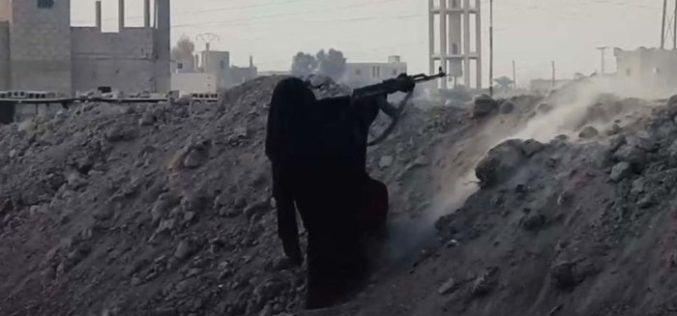
The challenge of female ISIS returnees in the Balkans
As hundreds of foreign fighters from the Western Balkans return home, it’s unclear whether governments are prepared to deal with the issues of prosecution and rehabilitation. Leonie Vrugtman explores the challenges posed, especially by female returnees.
The new agreement between Greece and FYROM: A done deal?
Greece and FYROM have reached a historic deal on the dispute over the name Macedonia. Is this the end to the 27-year long dispute that will pave the way for FYROM to join NATO and the EU? Perhaps, but there are quite a few challenges ahead.
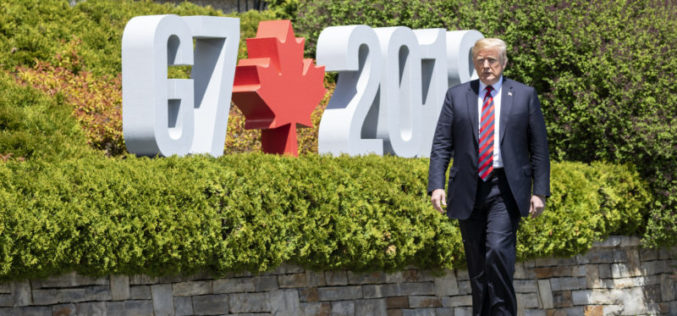
What Trump’s actions at the G7 summit mean for multilateralism
With Donald Trump refusing to sign the G7 Communique in Charlevoix, Quebec, the traditional balance of power within the G7 countries has been upset, placing the future of multilateralism in danger.
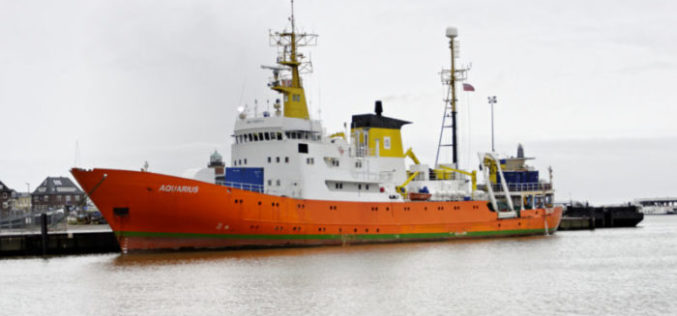
Fate of migrant ship Aquarius exacerbates divisions within EU
Italy’s decision to turn away the migrant ship, Aquarius, reinforced the deep schism within the EU on how to manage the migration crisis. With a pan-European solution looking increasingly unlikely, the crisis is only going to continue, increasing political and economic risk in the region by further emboldening the populist right and undermining the EU’s capacity to solve collective problems.

Sweden towards yet another hung parliament: it’s all about the kingmaker
On 9 September, Swedes cast their ballots in this year’s general elections. Governed by rather weak minority coalitions for the past two terms, there is little to suggest that the four years to come will be much different – unless old coalitions are dissolved and new ones built, that is.

Czech communists’ counter-intuitive comeback
The Prime Minister of Czechia Andrej Babiš, plans to form a government supported by the communists. Consequently, for the first time since the fall of communism in 1989, the “Communist Party of Bohemia and Moravia” (KSČM) has a real chance to influence the formation and policies of the new Czech government.
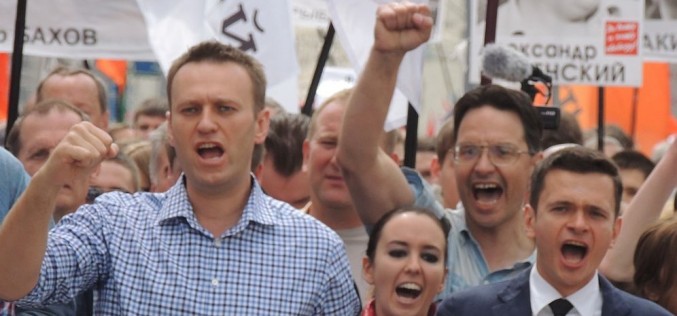
The Russian opposition: Digging an elephant’s grave with a teaspoon
On 5 May, opposition leader Alexey Navalny led mass unsanctioned protests against the inauguration of President Vladimir Putin. Soon after, Navalny was sentenced to 30 days in prison. Andre Martirosyan asks: is political opposition in Russia a hopeless cause – or will hints of generational change grow into a mass movement?
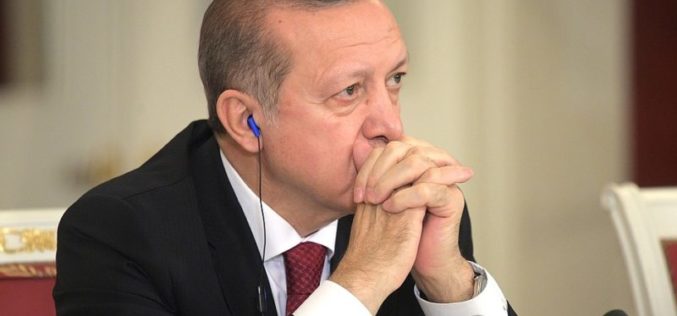
Erdogan’s lira problem
Turkey is facing one of the most serious monetary crises of its recent history. Are Erdoğan’s populist politics to blame?
