
Politics
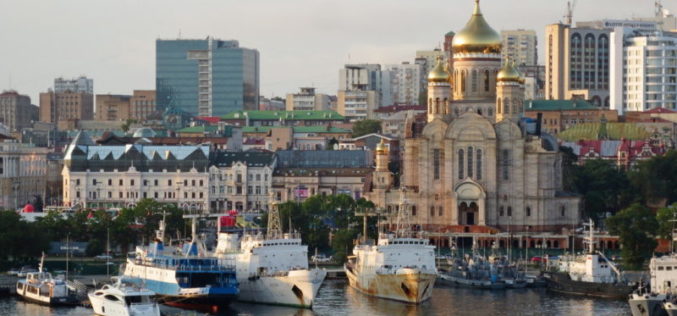
Russia’s East is Fed Up
Fresh from a national referendum allowing for the continuation of President Vladimir Putin’s rule, Moscow capitalized on the renewed political mandate by arresting a troublesome regional governor. What followed next was a near unprecedented backlash from the inhabitants of the Khabarovsk region in Russia’s East, with 20-60,000 initial protestors getting involved in the single longest-running protest in the history of the Russian Federation. These protests represent the latest displays of a long-standing resentment of Moscow’s meddling in the east of the country, while also serving as an indictment of the failings of Russian federalism.
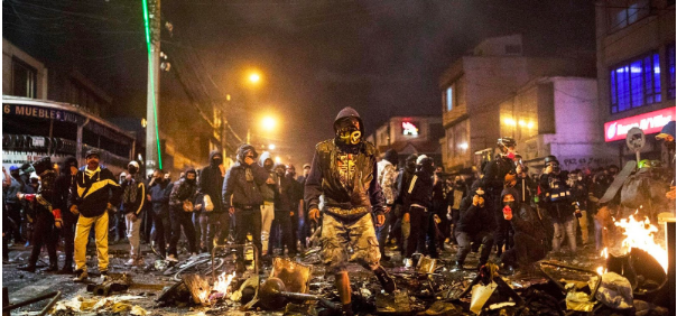
As Iván Duque completes two years as President, Colombia faces a new wave of protests
Like many other Latin American countries, Colombia’s domestic stability depends on a wide variety of factors and one event can trigger a significant wave of social unrest. We saw this for instance in Brazil in 2013 and 2014 and in Chile in 2019, when both President Dilma Rousseff and President Sebastián Piñera, respectively, raised bus and train fares, sparking protests all over the country. These small events are catalysts of something much bigger. After the killing of a civilian by police officers, demonstrations are once again erupting all over the country and do not seem to be solely focused on police brutality.
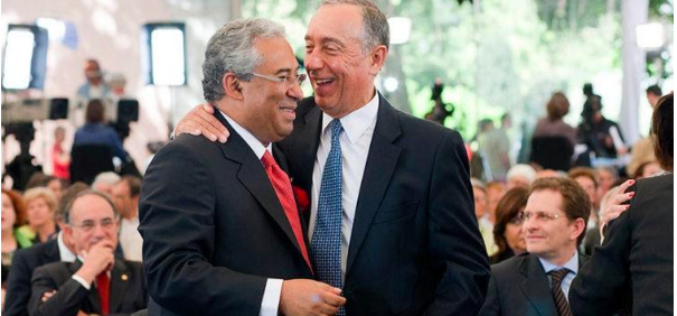
Will 2021 be a defining year for Portuguese politics?
As we approach January 2021, there seems to be little doubt about who will be the next Portuguese President. Nevertheless, over the past month, we have sensed the potential implications of presidential elections, as candidates announced their campaigns.
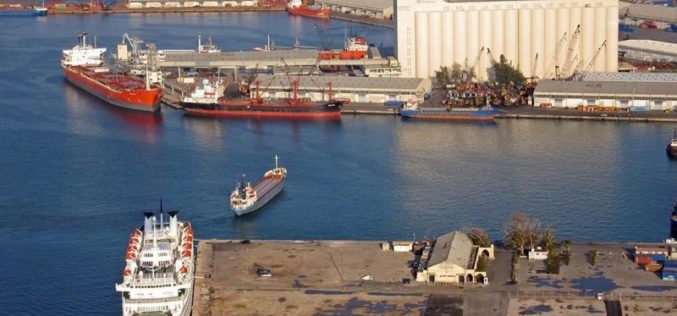
Rebuilding the Port of Beirut: a competition for geopolitical influence
In the wake of the explosion that devastated the Lebanese capital on 4 August 2020, multiple countries made offers to participate in the reconstruction of the Port of Beirut alongside sending their condolences. Far from being disinterested acts of solidarity, these propositions constitute strategic moves in a geopolitical game for greater influence over the Eastern Mediterranean. France is likely to stand out from the rest of the competition due to its historical and cultural ties to Lebanon, its current involvement in pushing for reforms in the country and its geopolitical position.
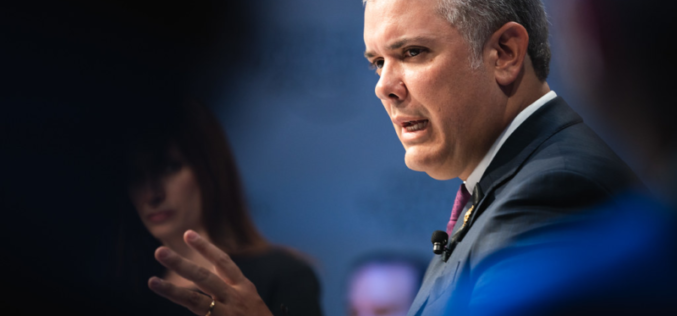
Colombia: President Duque at risk of giving ground to opposition amid ongoing crises
With internal pressure mounting, Colombia’s president Iván Duque faces serious challenges halfway through his presidency. Recent polls suggest that domestic support is decreasing, leaving his party’s dominance in peril. If Duque can’t solve the ongoing domestic crises, the opposition is likely to gain ground before the elections in 2022.
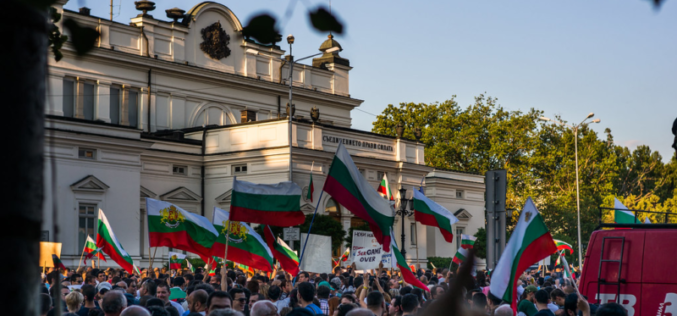
From protests to constitutional crisis: Boyko’s latest gamble
After years of stability and growth, Bulgaria is navigating a turbulent crisis while no one seems to be paying attention. What’s next for this small European country?
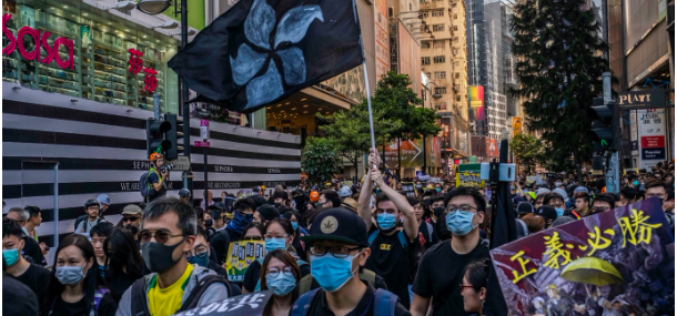
Hong Kong’s Erosion of Independence
On June 30th, the Chinese Government enacted the National Security Law for Hong Kong. This has criminalized any acts of “secession”, “subversion”, “terrorism” and “collusion with a foreign country”. It

A new party in the USA?
“The Republican Party is done. It’s breaking up before our very eyes,” Former Tea Party and Republican Congressman Joe Walsh. This article examines the scope of a new party in the United States.
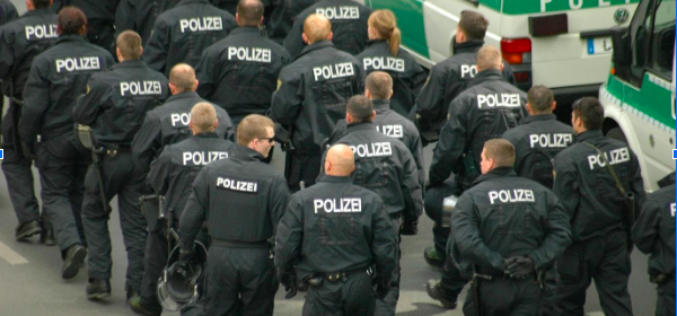
Germany: Right-wing Extremism Within Law Enforcement
German law enforcement recently revealed that agents within its ranks exchanged neo-Nazi and racist content on chat groups. The discovery affirms on-going concerns that the police are downplaying the dangers stemming from right-wing extremism, considered to be the greatest threat to Germany’s security.
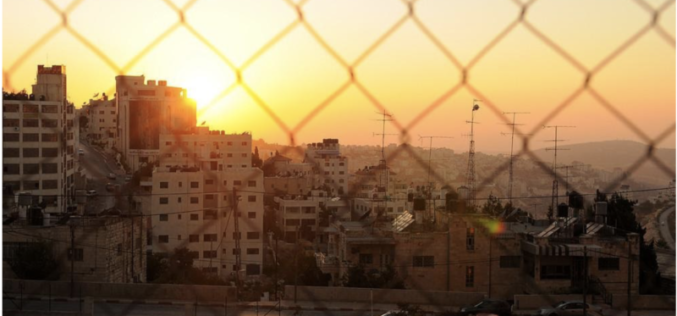
What Israel-UAE peace agreement means for Palestine?
Citing it as a “huge breakthrough”, on the 12th of August Donald Trump announced the US-brokered “historic peace agreement” between Israel and the UAE, intended to normalise ties between the two countries. Framed as an alternative to Israeli PM Netanyahu’s annexation plan, it came as a surprise to many and set in motion a flurry of discussion.
