
Latest Insights
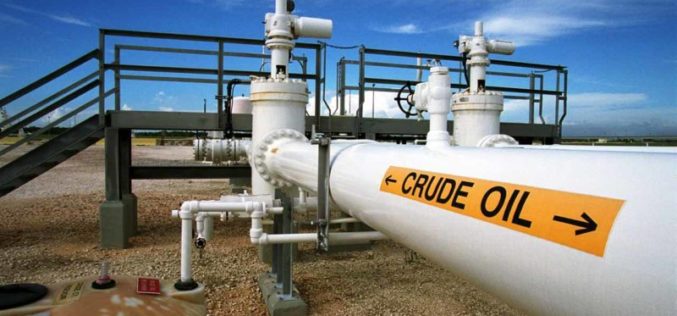
The Energy Briefing: The never-ending battle for Libya’s Oil Crescent
The competition for the control of state revenues remains tense as Haftar’s Libyan National Army intensified its attempts to seize key institutions ahead of December 2018 elections. Although oil production increased in 2017, continuing insecurity due to armed groups still largely constrain Libya’s oil potential.
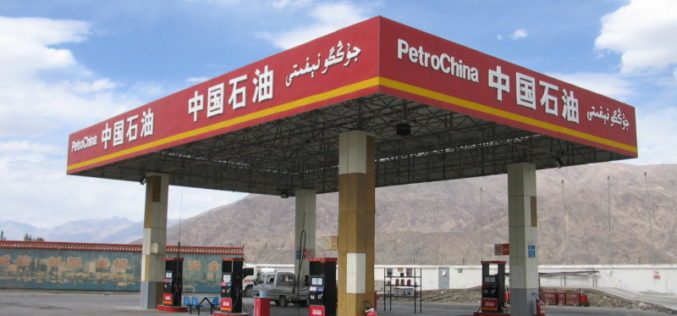
Sanctions, oil, and the emerging China-Russia-Iran axis
Although China has backpedalled on proposed tariffs on U.S. crude imports, the move is indicative of its need to diversify sources and steps may now be taken to enable China to play the oil card in the future – including imports from Iran despite sanctions, and drawing closer to Russia.

Challenges of Arctic shipping in Russia: The case of Novatek
In early August Novatek, Russia’s largest independent natural gas producer, launched the second train of Yamal LNG even earlier than planned. Although gas production is ahead of schedule, Novatek’s shipping capacities are lagging behind.

The U.S. is lagging behind global data regulation
Europe has been quick and efficient in pioneering regulation in this area – but America lacks a law that unifies the methods for handling data about American users.
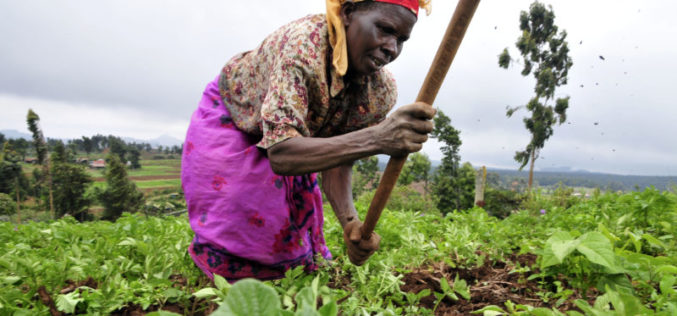
Intercommunal violence poses threat to Nigeria’s economy
Intercommunal violence and conflict in the Middle Belt, an area known for crop production, poses a threat to Nigeria’s economy and ultimately the livelihood of its people.

UK consumer debt: A cause for alarm?
As consumer debt in the UK reaches pre-2008 financial crisis levels within a new low interest rate austerity dynamic, we examine whether there is reasonable cause for concern and how the Government and Bank of England mitigate the risk.
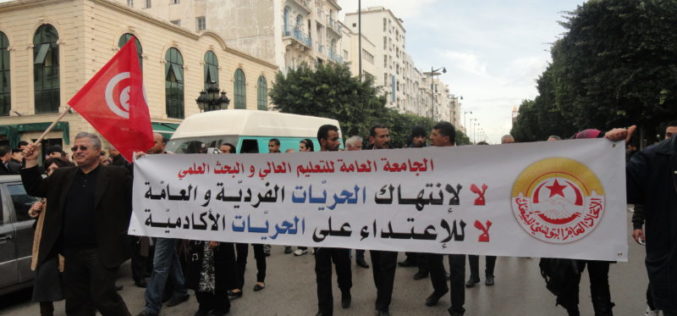
Tunisia’s new modus operandi
In recent months, Tunisia’s government and the worker union UGTT have negotiated an agreement that aims to improve the socio-economic situation of the country. While this new model of having UGTT participates in the policy agenda slows down the reform process, it also offers realistic chances to allow inclusive growth.
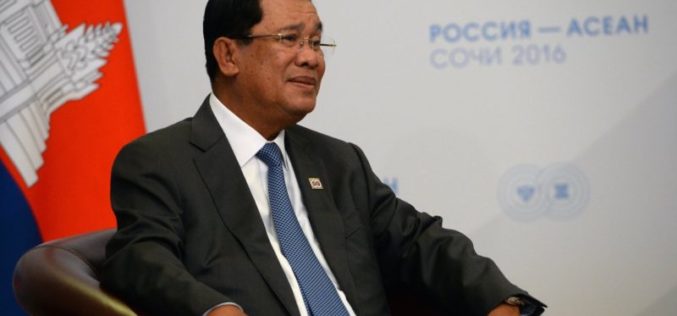
Cambodia’s pivot to China heralds a new era of authoritarianism
Increasing Chinese influence is casting a shadow over Cambodia’s political freedoms. On the backdrop of the elections, Nathan Paul explores how the result is a great deal of leeway for Prime Minister Hun Sen to suffocate dissent and criticism, and to strengthen his own power.
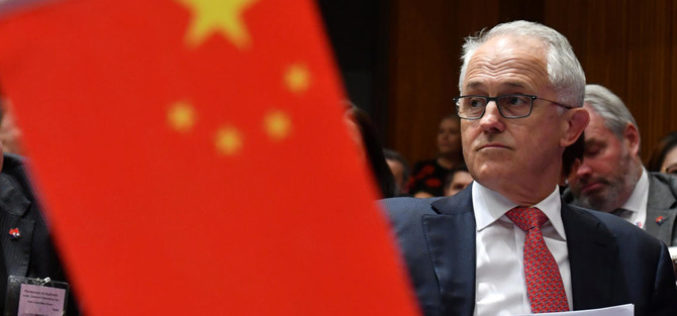
Security or progress? The Australian experiment
China’s growing influence has given rise to a dilemma for its partners, between preserving national security and maintaining access to China’s economic and technological progress. The long-term consequences of how Australia resolves this dilemma may provide insights for the rest of the world.
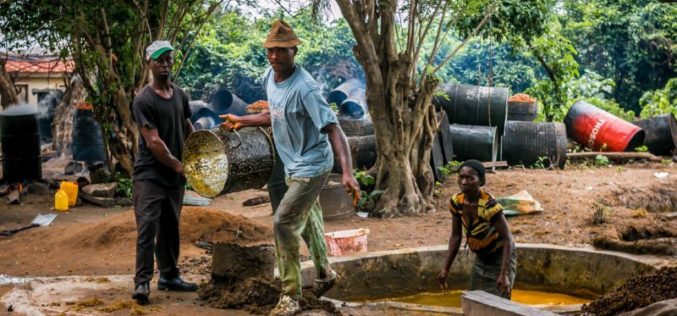
The Nigerian oil industry and renewed instability in the Delta
Throughout the spring and summer of 2018, the Nigerian petroleum industry has suffered major production and export complications, exacerbated by an atmosphere of political instability.
