
Latest Insights

Sale of the Saudi Aramco: 3 things you should know
Saudi Arabia plans to sell part of its state-owned oil company next year. GRI analyzes the IPO and what it means for investors and the Saudi economy.
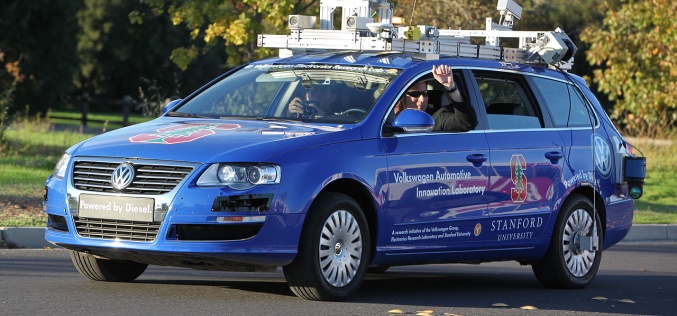
Inside the driverless car market
Policy makers and business leaders will need to act prudently in order to balance the benefits of driverless car technology with mitigating risks.
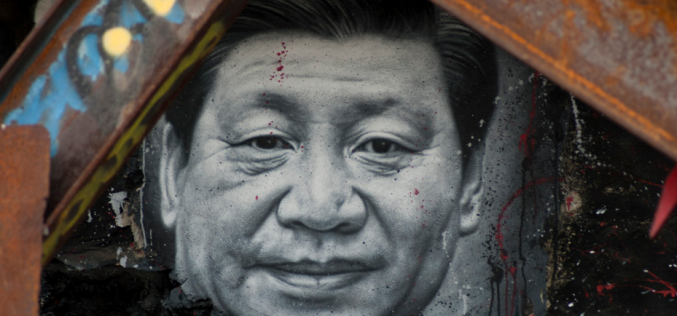
Panama Papers lay bare China’s corruption, environmental woes
Fallout from the Panama Papers has landed in China, casting doubt on anti-corruption efforts and pledges for greater environmental stewardship.
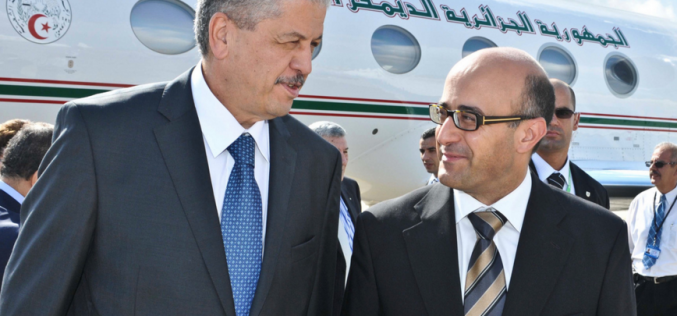
Low oil prices signal need for reform in Algeria
With energy forecasts projecting low oil prices as a likely fixture the medium-term, Algeria must either embrace reform, or risk national and social crisis.

How Asia’s dead are causing instability
Asia’s aging populations, lack of burial space, religious preferences, and environmental concerns are causing problems in Singapore, Hong Kong, and beyond.
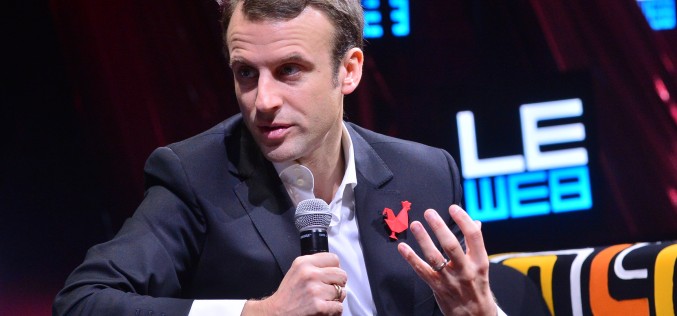
Three takeaways from Macron’s new political movement
Emmanuel Macron’s new political movement highlights key deficiencies in the current French political sphere and exemplifies the risks generated by President Hollande’s diminished power.

European military intervention in Syria
The European Union needs to correctly assess the risks and opportunities of sending land-forces into Syria and Iraq in order to fight the Islamic State.
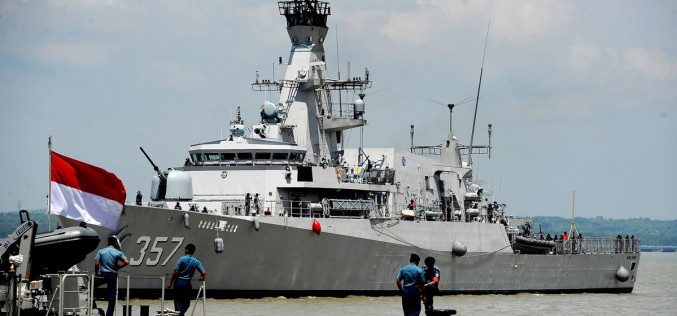
How likely is an enhanced Indonesian role in the South China Sea dispute?
A recent incident involving Indonesian and Chinese vessels in the South China Sea has opened the possibility for an enhanced Indonesian role in the maritime dispute. Whilst neighbouring claimants would
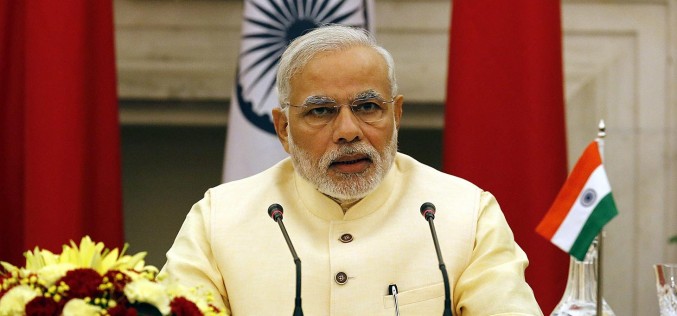
Will Modi be able to fix India’s economy?
GRI Debate: Will Modi’s gradual economic reforms be effective? Narendra Modi was elected as India’s PM on a wave of optimism in 2014. Since his election, Modi, previously known for
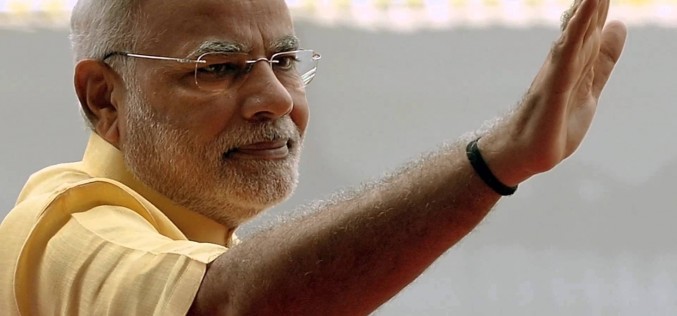
Modi’s economic reforms fail to address structural issues
In this debate series, GRI asked whether Narendra Modi and his policies can fix India’s economy. Devesh Rasgotra presents why Modi’s efforts are likely to fail to address fundamental problems, given
