
Latest Insights

Why do terrorist attacks succeed?
Understanding why terrorist attacks succeed is essential in setting up long-term policies aimed at eradicating the Sunni extremist threat.
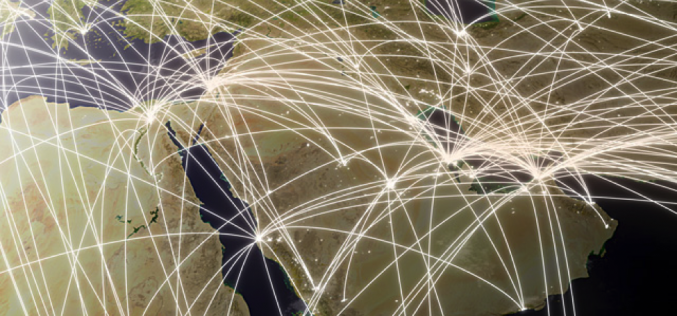
Special Report: The risks and rewards of digitizing the Middle East
The imminent digital disruptions in the Middle East will present both opportunities and risks – from economic to political and cybersecurity – in the region.

Turkey’s influence network in Europe is leading to tension
President Erdogan uses Turkey religious network in Europe to expand the government monitoring of opposition figures and gain popular support.

What China’s Aircraft Carrier Means for its Naval Defence Capabilities
On April 26 at the Dalian Shipyard, the People’s Liberation Army Navy (PLAN) launched its first domestically built aircraft carrier.

Reactions of American automotive OEMs threaten US trade deficit and jobs
The hottest of issues on the (negotiation) table when it comes to NAFTA is automotive, the largest source of trade deficit for the US.

Japan cannot let go of TPP due to automotive industry
Despite the US pull-out from the TPP, Japan is likely to remain in the treaty to favour its automotive industry.

After IS, Iraq looks to Jordan
In anticipation of the collapse of the Islamic State, Iraq is looking to Jordan as a source of renewed trade and opportunities for Anbar province.
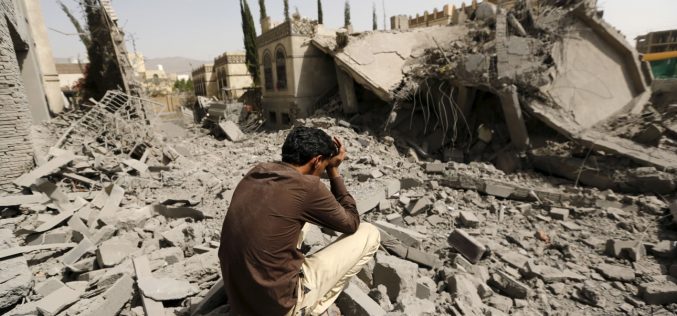
Yemen: A forgotten war, new developments
Calls for the restoration of South Yemen, a worsening humanitarian crisis and the machinations of intervening regional powers all compound Yemen’s woes.

How Pope Francis is restoring the church in Latin American politics
Pope Francis understands that Latin America, the Church’s most stable consumer market, has embraced an evangelical competition.

New perspectives on cyber security: The regulatory challenge
Cyber security is a rapidly evolving sector. In 2018, the new European Union (EU) regulation on data, cyber and information security will be a game changer.
