
Latest Insights
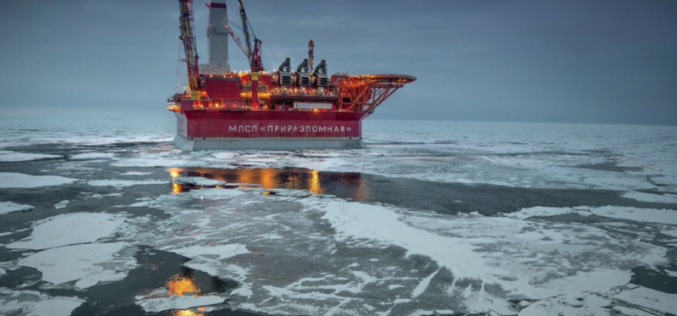
Climate Change: Heating up Arctic competition
Melting sea ice is revitalizing the Arctic’s geopolitical importance. Russia is proactively developing the area with the help of the Chinese government and has more bases than any other nation. Western states are looking to respond and economic competition has already begun, further militarization is likely to follow suit.
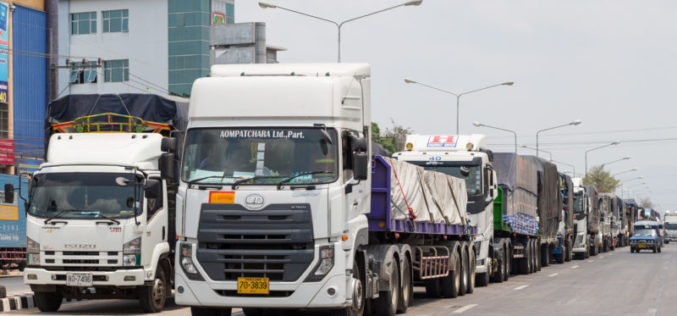
Can Kosovo’s tariffs on Bosnia and Serbia last?
On 21st November, Kosovo imposed a 100% tariff on all goods produced in Bosnia and Herzegovina and Serbia, increasing the 10% tariffs that were imposed on 6th November. The tariffs contradict the Central European Free Trade Agreement (CEFTA) of which all three territories are signatories. Kosovo has issued similar tariffs before and regularly claims that its products are not treated equally in other CEFTA members’ markets, but it is also seeking to use tariffs for political purposes.
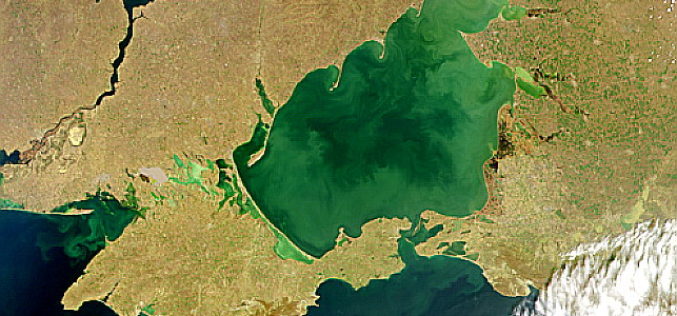
Sea of Azov: Ticking timebomb?
After a period of relatively consistent, low-intensity fighting in eastern Ukraine, 2018 has brought new developments with the opening of the Kerch Strait Bridge in the Sea of Azov. With the additional maritime element in Russia’s strategy, further destabilization of the region can be expected.

Predicting the next global pandemic
The nature and likelihood of the next pandemic presents many challenges to governments and health organisations, as it could be an unknown pathogen that the world is ill-equipped to contain. The risks associated with such a pandemic has secondary effects as it not only affects human health, but also causes severe disruptions in economic, political, and social areas.

The Energy Briefing: AMLO’s nationalist agenda clouds future for Mexico’s energy sector
Leftist candidate Andrés Manuel López Obrador’s victory casts a shadow over the future of Mexico’s ongoing energy reform. Will the country’s new preident find the right balance between pragmatism and ideology?
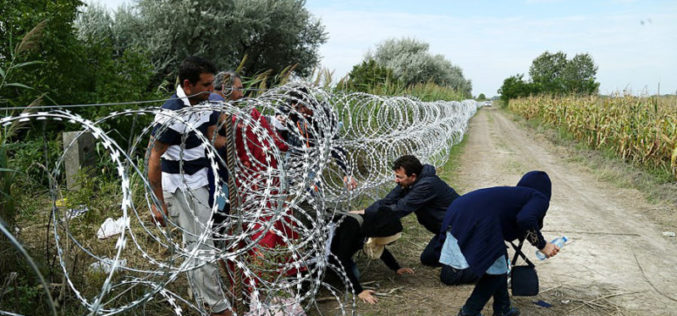
Serbian visas as diplomacy
Serbia has ensured that its passport holders have visa-free access to a wide range of countries, from Belarus to Indonesia. Many new visa waiver agreements have been signed in the past 5 years, but the most recent agreement, with Iran, was cancelled after one year alone. The failure of the Iran agreement highlights the unique role that visas play in Serbian diplomacy.
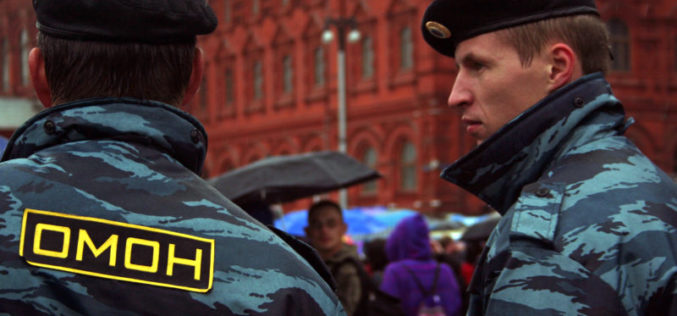
The threat to Russia from Islamic State returnees
The threat posed by Russian speaking fighters who travelled to fight under the Islamic State in Syria presents a complicated problem for both Russia and its allies to address. Just like its Western counterparts, Russia is worried that these returnees will mount deadly attacks on the country’s soil.
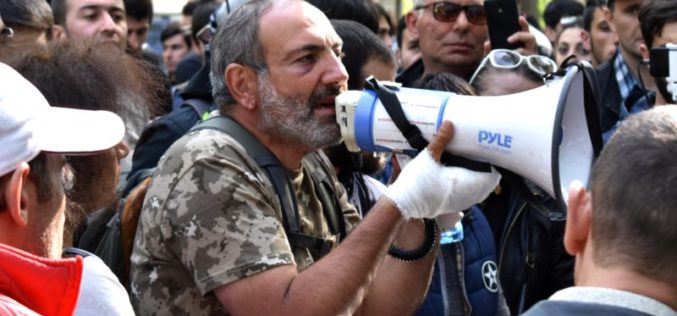
Nikol Pashinyan and the Nagorno-Karabakh Conflict
Earlier in 2018, Nikol Pashinyan made a historic entrance into the helm of Armenian politics after Serzh Sargsyan resigned in the face of large protests. While Pashinyan is making continued efforts to improve Armenia’s image abroad, an important question remains about his leadership towards the Nagorno-Karabakh Conflict.

Bolivia losing in the ICJ: a drastic turn for the January 2019 elections
Bolivia’s blowing defeat in the ICJ’s Obligation to Negotiate Access to the Pacific Ocean (Bolivia v. Chile) case, delivered on October 1st, may cost President Evo Morales’ his presidency.

The Orthodox schism: religion as a political instrument
On 15th October, the Russian Orthodox Church announced that it had severed ties to the Patriarchate of Constantinople after the Patriarch declared that he would grant the Ukrainian Orthodox Church autocephaly, meaning independence from the Russian Church. Until this declaration, the only Orthodox Church in Ukraine that was officially recognized by other Patriarchates was administered from Moscow. While this may seem at first glance to be primarily a religious matter, it is in fact deeply political in nature.
