
Latest Insights

Zaman seizure threatens press and economic freedom
It is no secret that Turkey has seen a worrying decline in Press freedom in the last several years. The seizure of Zaman (one of the more critical media outlets
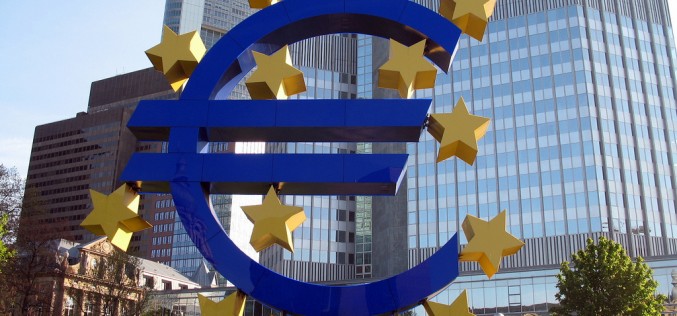
Negative interest rates threaten Europe’s financial stability
Negative interest rates erode the profitability of the banking sector and pose a threat to financial stability. In exchange, they offer an economic stimulus that is mild at best and

Beware the dragon: China sets sights on regional dominance
It is time for analysts and scholars to view China as an expansionist rising power. Spurred by a wave of ambitious new leaders, including Xi Jinping, a spike in Chinese

Understanding Russia’s Syria pull-out
By GRI Analyst Nicolas Jenny and Senior Analyst Madeleine Moreau. Russia’s announcement this week that it “achieved its goals” in Syria came as a shock to the international community, as

The impact of the independence of Kurdistan
In this second of two articles on Kurdistan, GRI examines the likely repercussions of an independent Iraqi Kurdistan. The previous article made the case that this is a good time

Migrant pressure threatens to overwhelm Greece
Europe is facing the biggest migration flow since the Second World War. Indeed, while in 2014, 219,000 refugees were fleeing the ongoing conflict in Syria, 350,000 others were crossing the Mediterranean Sea

After Lula da Silva’s detention, what’s next for Brazil?
A corruption scandal in Brazil has reached one of Brazil’s most well-known and popular politicians, when federal police briefly detained former President Luiz Inácio Lula da Silva last week. An investigation

Implications of the EU Turkish refugee deal
Last week, European Union leaders reached a provisional deal with Turkey to curb the flow of refugees coming to the continent. Since last year, over 1 million refugees have arrived
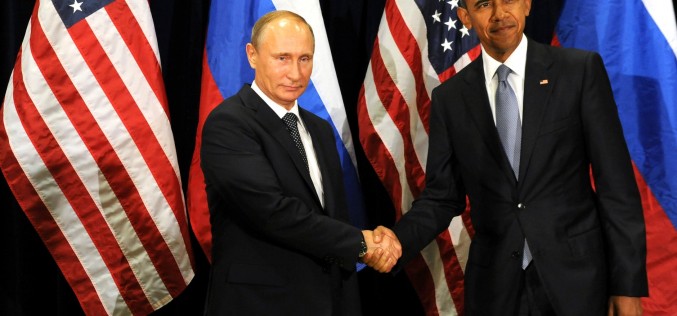
Regional powers critical to stability
Today’s international security environment is both vastly fluid and highly dangerous, with multiple threats on several fronts. With the U.S. in relative decline as other states emerge and become more

Popular votes risk European unity
Popular votes are a threat to European unity as EU citizens are growing weary of the continental bloc. By using them, national governments risk accelerating the collapse of the European
