
Latest Insights
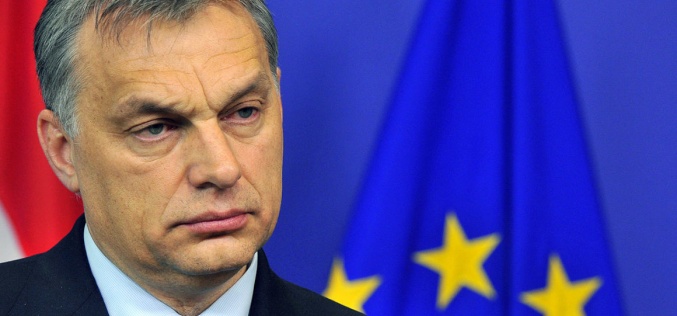
What exactly is “illiberal democracy”?
How can illiberal democracy exist in the EU? Is democracy still relevant in Europe, or is Central European pioneering a new model?
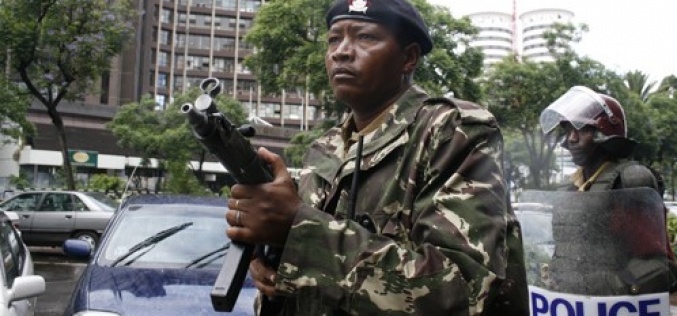
Kenya: What IEBC violence means for investors
The violence accompanying opposition-led protests against Kenya’s electoral commission may undermine the country’s economic prospects and damage its already-shaky business environment.

The wider ramifications of the EgyptAir crash
The crash of EgyptAir flight 804 underscores the elevated risks faced by the Egyptian tourist sector. It also highlights the heightened security concerns over potential terrorist attacks in European airports.
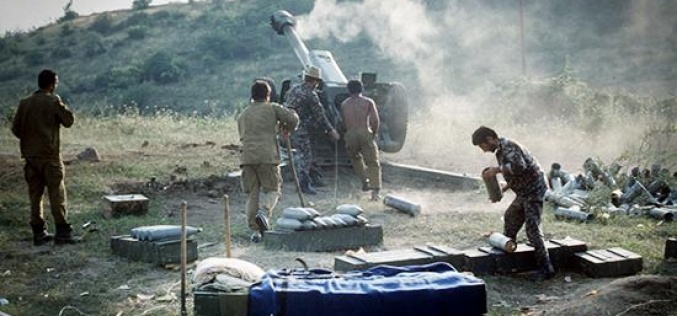
Nagorno-Karabakh: New threats, old solutions
Azerbaijani authorities may try to exploit the Nagorno-Karabakh conflict to improve the country’s domestic and international situation.

Modern-day corruption: A primer
The rise of the internet had embedded corruption risks even deeper into the governments of developing and developed nations alike.

Gender-related violence highlights mexico’s larger issues
On April 24th, tens of thousands of women and hundreds of men marched in Mexico’s largest cities to demand an end to gender-related violence in the country. The protests were
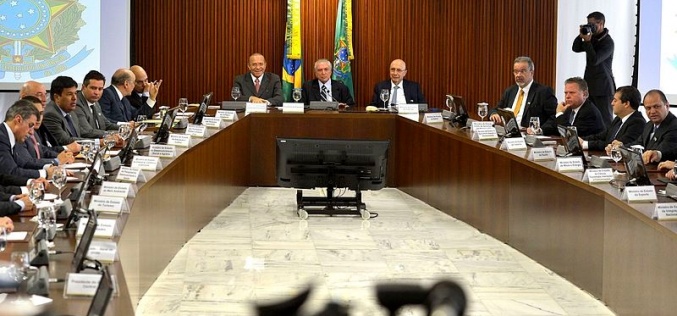
Brazil’s interim government faces many challenges, few solutions
Brazil’s new Interim President must pull the economy out of a deep recession while pacifying a polarized nation.
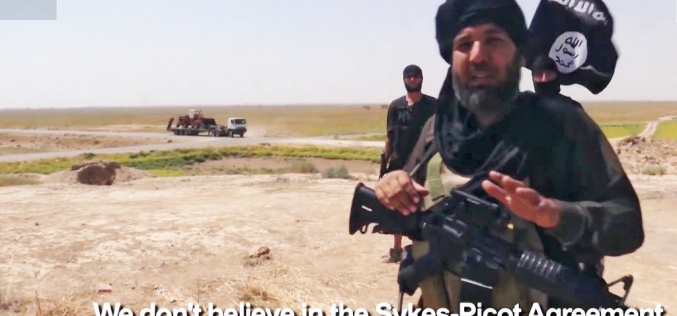
The Sykes-Picot agreement and its lasting implications
In 1916, France and the United Kingdom agreed to a partition of areas of influence in the Middle East. The Sykes-Picot continues to have far reaching implications a hundred years later.
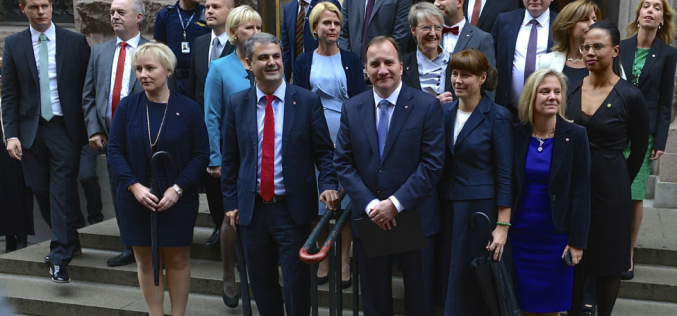
Swedish NATO membership may jeopardize Arctic opportunities
An increased Russian military activity in the Baltic Sea is fueling a debate about Swedish NATO membership. However, if this occurred, potential Russo-Swedish cooperation and investment in the Arctic would be negatively impacted.
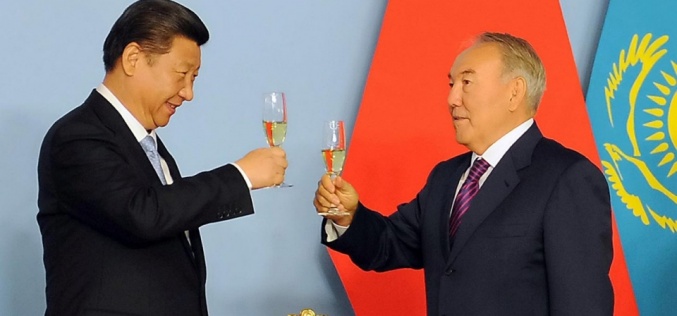
Why is Central Asia dumping Russia for China?
Central Asia has long been stuck between a rock and hard place in terms of its geopolitical environment. A faltering Russia is leaving China the only game in town, and Central Asia is hitching its wagon to Beijing.
