
Politics
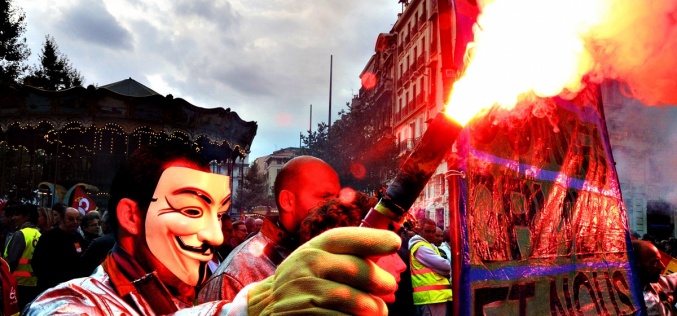
France desperately needs labour reform, unions disagree
Government labour market reform has triggered a nationwide wave of protests in France that underscores soaring tensions within French society.
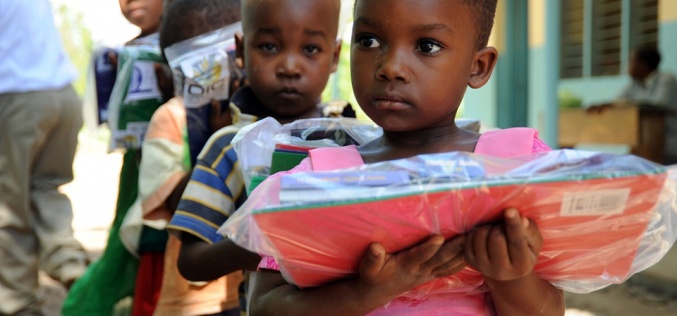
President Magufuli: Tanzania’s Robin Hood
President Magufuli is combatting corruption but has also increased the risk of expropriation, creating uncertainty for foreign investors.
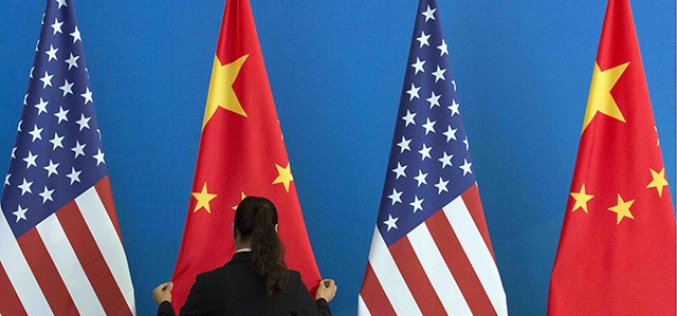
Weekly Risk Outlook
China and U.S. discuss policy. U.S. primaries close. World Bank releases growth projections. Brazil’s central bank to maintain rates. EU ministers meet.
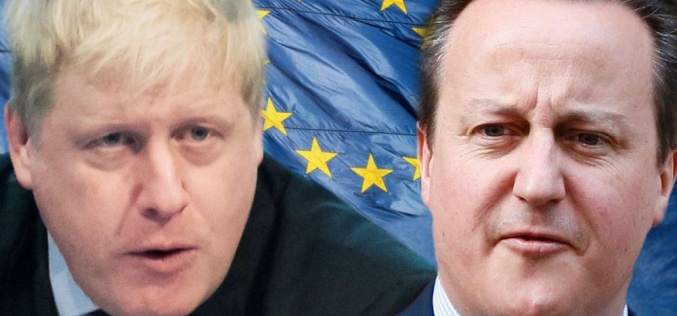
Yes or No, Brexit has already changed the UK
With the Brexit referendum less than a month away, the UK has already been changed by the debate.
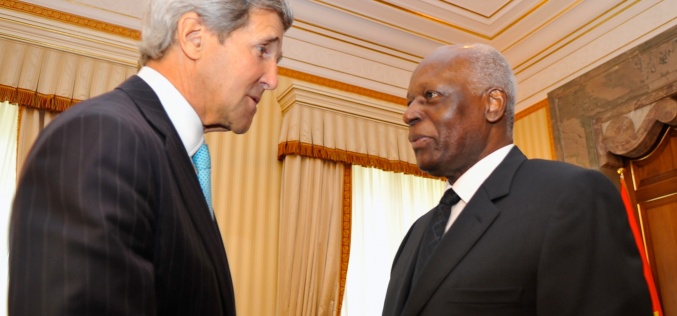
After the strongman: What’s next for Angola?
After nearly forty years of one-man-rule, Angola faces a much-anticipated political succession. For nearly four decades the fortunes of Angola, Africa’s third largest economy, have been decided by one man.
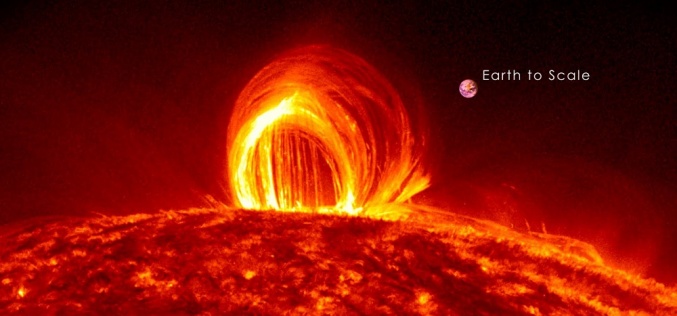
Space weather: Is your business prepared?
Space weather may sound like a far-fetched business risk, but is in fact inevitable. Without preparation, severe global economic damages could follow.
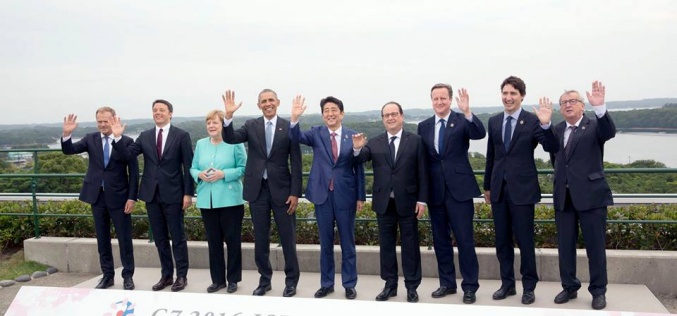
Assessing the 42nd G7 Summit
The 42nd G7 Summit has concluded. What are the key takeaways for investors?
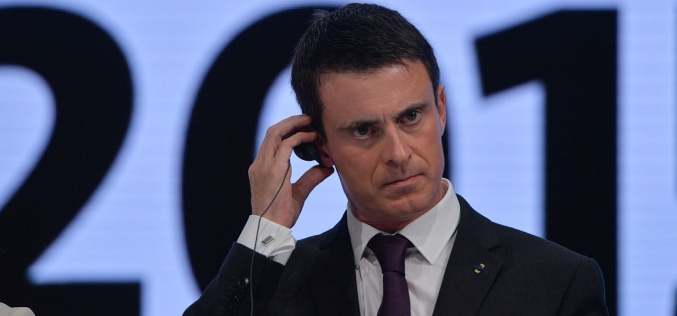
Manuel Valls and the Gordian Knot of economic reform in France
Manuel Valls is not a typical French socialist politician. He is a tough-talking security hawk forcing through liberal reforms, and he “loves business”.

Weekly Risk Outlook
U.S. economic data shows signs of improvement. Brazil GDP figures shed light on economy. OECD releases global economic report. Foreign ministers talk Israel-Palestine. Shangri-La Dialogue likely to discuss South China Sea dispute.
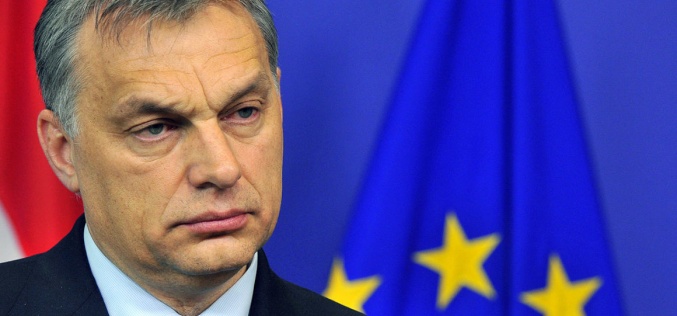
What exactly is “illiberal democracy”?
How can illiberal democracy exist in the EU? Is democracy still relevant in Europe, or is Central European pioneering a new model?
